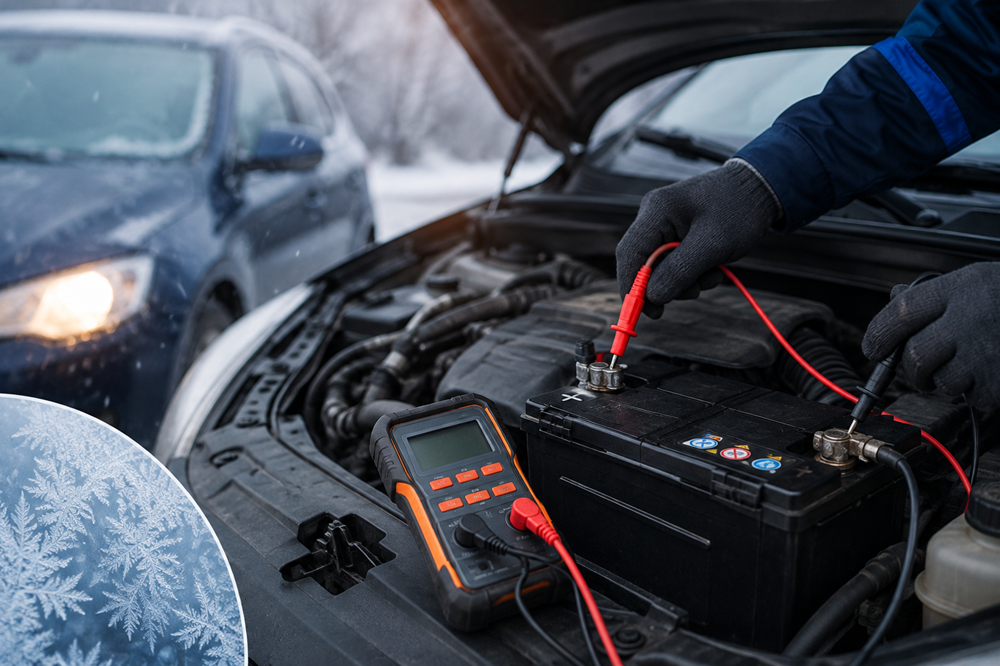
Cold mornings across the South East are hard on your car, and nothing shows it quite like a battery that won’t turn over. Talk to any of the mechanics in Cranbourne drivers rely on and they’ll tell you the same story every August: the phones start ringing with people stuck in their driveway, key in the ignition, engine refusing to start. At Singhs Tyre & Auto Centre, this is one of the busiest periods of the year for battery-related callouts, and there’s a simple reason behind it.
The Science Behind a Sluggish Battery
A car battery works through a chemical reaction, and cold temperatures slow that reaction down. When the mercury drops, the battery simply can’t produce electricity as efficiently as it does in warmer months. At the same time, cold engine oil thickens, which means your starter motor has to work harder to turn the engine over. So your battery is producing less power right at the moment your car is demanding more of it.
Add in the extra load from headlights, heated seats, demisters and wipers running non-stop during winter mornings, and it becomes clear why so many batteries give up the ghost in July and August. Most batteries lose around 30 to 50 percent of their cranking power once temperatures fall below 0 degrees, and even Cranbourne’s milder winter mornings, often sitting around 2 to 6 degrees, are enough to expose a battery that’s already on its last legs.
Why Older Batteries Feel It First
A battery doesn’t fail overnight. It fades gradually over three to five years as the internal plates corrode and the electrolyte solution weakens. During summer, a tired battery can often limp along without any obvious symptoms because warmer temperatures help mask the loss of power. Winter removes that safety net. A battery that was already sitting at 60 percent health might cope fine on a mild March morning but fail completely on a frosty July one.
This is why battery failures cluster so heavily around late winter rather than spreading evenly across the year. The cold doesn’t cause the damage; it simply reveals damage that’s been building for months.
Warning Signs Worth Taking Seriously
A handful of symptoms tend to show up before a battery dies completely, and catching them early can save you a stressful morning stranded outside your house or in a car park.
- Slower cranking when you turn the key, almost like the engine is groaning before it starts
- Dashboard lights dimming, particularly when you switch on headlights or the heater
- Electrical accessories behaving oddly, such as power windows moving slower than usual
- A clicking sound instead of the engine turning over
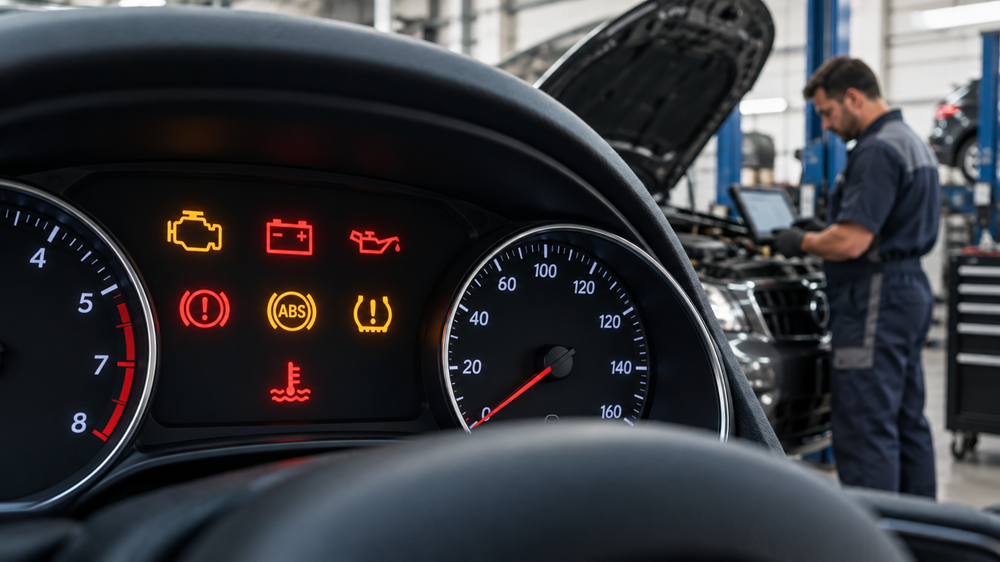
- A battery warning light appearing on the dash
Any one of these on its own might not mean much, but two or three together usually point to a battery that’s struggling to keep up.
How a Proper Battery Test Actually Works
Guessing whether a battery is fine by simply starting the car isn’t reliable, because a battery can still turn the engine over while being dangerously close to failure. A proper diagnostic goes much deeper than that.
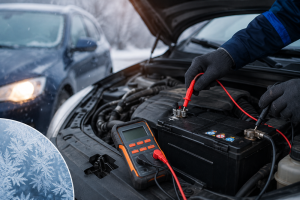
Voltage testing comes first. A healthy resting battery should sit around 12.6 volts. Anything noticeably lower suggests the battery isn’t holding charge the way it should.
Load testing follows, simulating the demand placed on the battery during starting. This shows whether the battery can maintain voltage under real-world pressure rather than just sitting idle.
Alternator output checking is just as important as the battery itself. A battery that keeps dying might not actually be the problem; it could be an alternator failing to recharge it properly while driving. Skipping this step often means replacing a battery unnecessarily while the real fault remains.
Terminal and connection inspection rounds out the process. Corrosion around the terminals restricts the flow of electricity, and even a brand new battery can perform poorly if the connections are dirty or loose.
Together, these checks give a complete picture rather than a guess, and they take only a few minutes with the right equipment.
Getting Ahead of a Winter Breakdown
Prevention beats a roadside jump-start every time. Having your battery tested before it fails means you get to choose when it’s replaced, rather than having that decision made for you on a freezing morning when you’re already running late. It’s a small job that fits easily into a routine visit for car service Cranbourne locals book in throughout the colder months, alongside checks on brakes, fluids and tyres.
Beyond the battery itself, late winter is also a sensible time to look over anything that copes badly with cold and wet conditions. Worn wiper blades, low coolant levels and softening brake pads all tend to show their weaknesses during this stretch of the year, and a general check can catch issues before they turn into bigger, costlier car repairs Cranbourne residents would rather avoid altogether.
Book a Battery Check Before Spring Arrives
Heading into spring with a battery on its last legs is a gamble that rarely pays off, especially once daylight saving shifts driving patterns and longer trips become more common. A quick test now can confirm whether your battery has enough life left or whether it’s time for a replacement, giving you one less thing to worry about as the weather warms up.
Singhs Tyre & Auto Centre offers straightforward battery testing and servicing for local drivers, using proper diagnostic equipment rather than guesswork. Call the team on 03 8752 4599 to book a check, or drop by to have your battery, alternator and connections looked over before the cold catches you out again.