
There is no single safe period that applies to every vehicle. Service intervals vary according to the make, model, kilometres travelled and the maintenance schedule set for the vehicle. The best guide is the time or kilometre interval shown in your logbook, whichever comes first. If your car is already overdue, it is better to arrange a service rather than continue delaying maintenance.
What Can Happen When a Car Service Is Overdue?
Delaying a scheduled service does not always cause an immediate breakdown, but it means routine checks and maintenance are being postponed. Engine oil, filters, fluids, brakes, tyres and other components may continue to wear without inspection. Minor issues can also remain unnoticed until they become more expensive or affect vehicle reliability.
An overdue service is especially worth addressing if you notice any of the following:
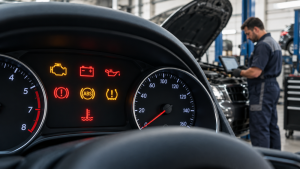
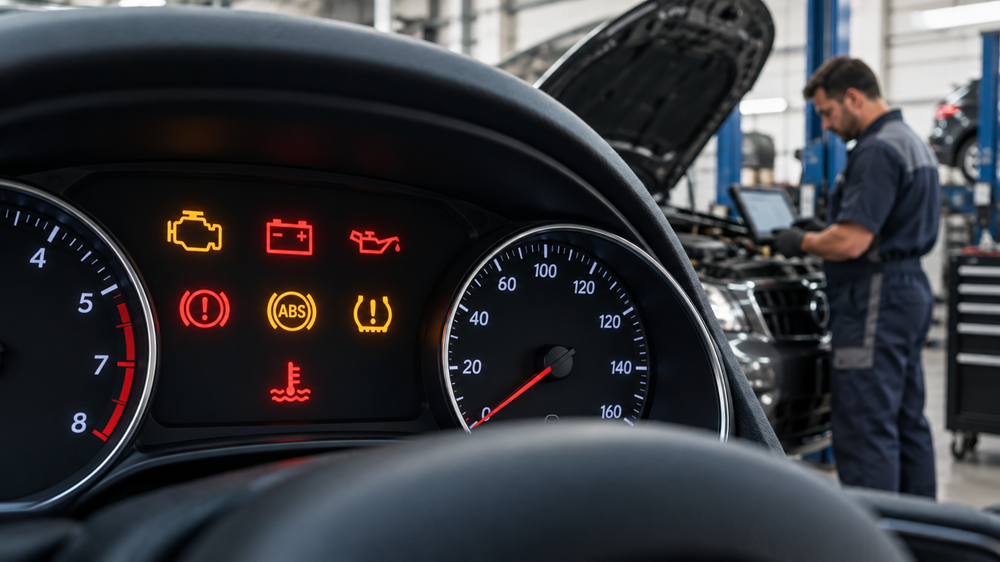
- Dashboard warning lights
- Unusual engine or braking noises
- Difficulty starting the vehicle
- Fluid leaks
- Changes in steering or handling
- Reduced fuel efficiency
- Uneven tyre wear
- Weak air conditioning performance
These symptoms do not always mean a major fault is present, but they are a good reason to have the vehicle inspected rather than waiting for the next scheduled interval.
Does a Low-Kilometre Car Still Need Servicing?
Yes, a vehicle can still need servicing even when it has travelled relatively few kilometres. Some maintenance requirements are based on time because fluids, rubber components, batteries and other parts can deteriorate as the vehicle ages. If your car is used only occasionally, check the logbook for both the kilometre and time-based service interval.
What Should You Do If You Have Missed a Service?
If your car is overdue, check the last recorded service date and current odometer reading. Book an inspection and let the workshop know how far past the recommended interval the vehicle has travelled. The mechanic can then assess the current condition of the vehicle and complete the maintenance appropriate to its service schedule.
If you are unsure what your vehicle is due for, bring the service logbook or maintenance records with you. This gives the mechanic a clearer picture of what has already been completed and what may now require attention.
Why Regular Servicing Matters Beyond the Service Reminder
Regular servicing is not only about resetting a dashboard reminder. It creates an opportunity to inspect the vehicle at planned intervals, replace maintenance items when required and identify developing problems early. Keeping an accurate service history can also make it easier to understand the condition of the vehicle over time.
It’s a question many Australian drivers quietly Google when life gets busy or money feels tight: how long can I really drive before servicing my car? If you’re already searching for car service in Cranbourne, chances are your vehicle is trying to tell you something. While modern cars are more reliable than ever, skipping regular servicing is still one of the fastest ways to shorten a vehicle’s lifespan and increase long-term costs.
The honest answer is not measured in kilometres alone. It depends on driving habits, conditions, vehicle age and how well it’s been maintained in the past.
What Manufacturers Recommend vs Real-World Driving
Most manufacturers recommend servicing every 6 to 12 months or every 10,000 to 15,000 kilometres, whichever comes first. These guidelines are based on ideal driving conditions.
However, Australian driving conditions are rarely ideal. Stop-start traffic, short trips, heat, dust, towing and long highway drives all place extra strain on your vehicle. Even if you’re not hitting high kilometres, time-based servicing still matters because fluids degrade and components age regardless of usage.
What Happens When You Delay Servicing
Skipping services doesn’t usually cause immediate failure. Instead, problems build quietly in the background.
Common consequences of delayed servicing include:
- Engine oil breaking down and losing lubrication
- Increased fuel consumption
- Excess engine heat and internal wear
- Brake components wearing unnoticed
- Tyres wearing unevenly
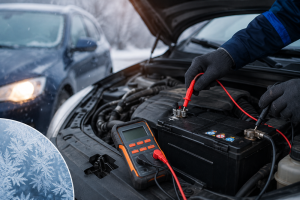
- Battery health declining without warning
By the time symptoms appear, the damage may already be done.
The Myth of “My Car Still Feels Fine”
One of the biggest reasons drivers delay servicing is because the car still seems to drive normally. Unfortunately, many issues don’t affect drivability until they become serious.
Modern vehicles are designed to mask early warning signs. Sensors and control systems compensate for wear until they can’t anymore. When that point is reached, repairs are often urgent and expensive.
Servicing is about prevention, not just fixing what’s broken.
Engine Oil Is the First Thing to Suffer
Engine oil is the lifeblood of your car. Over time, oil breaks down due to heat and contamination. Old oil becomes less effective at lubricating engine components, increasing friction and wear.
Driving too long without an oil change can lead to:
- Sludge build-up
- Reduced engine efficiency
- Overheating
- Premature engine wear
This damage doesn’t happen overnight, but it adds up every kilometre you delay.
Brakes Don’t Warn You Loudly Until It’s Too Late
Brakes are one of the most critical safety systems in your car, yet they often wear silently. Pads can wear down gradually without obvious noise, especially with modern brake materials.
Without regular inspections, worn brakes may only be noticed when:
- Stopping distances increase
- Grinding noises appear
- Brake warning lights activate
At that point, rotors may already be damaged, turning a simple service item into a costly repair.
Tyres Wear Faster Than Most Drivers Realise
Tyres are another area where delayed servicing causes hidden problems. Incorrect tyre pressure, poor wheel alignment or worn suspension components all contribute to uneven tyre wear.
Without regular checks, tyres can:
- Lose grip, especially in wet conditions
- Wear out prematurely
- Increase fuel consumption
- Affect steering control
A routine service often identifies tyre issues early, helping you avoid replacements sooner than expected.
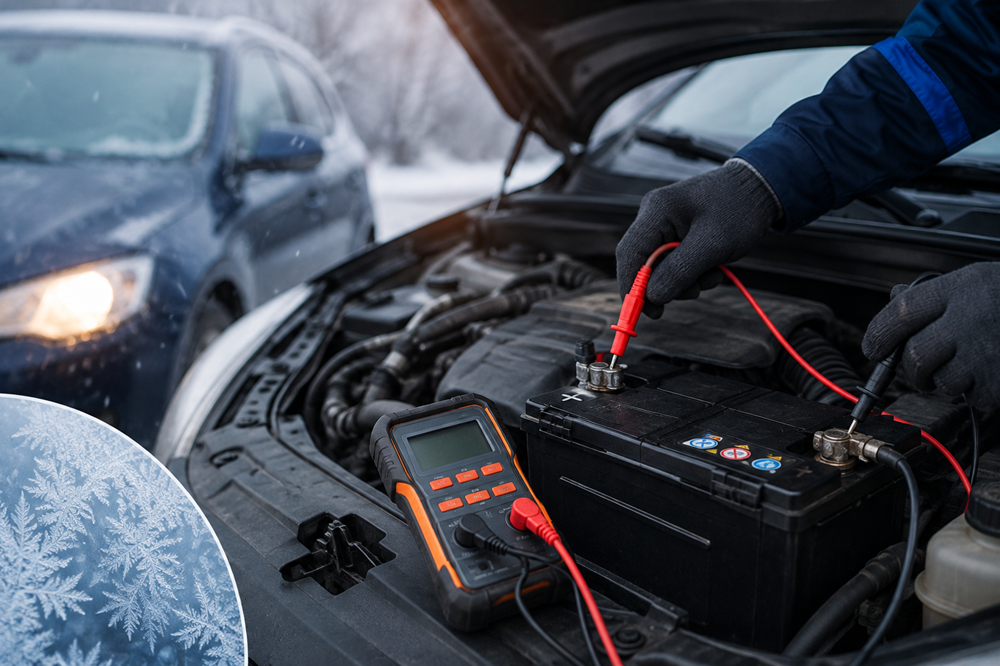
Batteries Age Even When You’re Not Driving Much
Car batteries don’t fail based on kilometres alone. Heat, short trips and electrical loads all shorten battery life. Many batteries fail suddenly without much warning.
Regular servicing includes battery health checks that help identify declining capacity before you’re left stranded at the shops or at home on a hot day.
Modern Cars Need More Than Just Oil Changes
Today’s vehicles rely heavily on electronics. Sensors, control modules and warning systems all depend on stable electrical performance.
Skipping servicing increases the risk of:
- Dashboard warning lights appearing unexpectedly
- Electrical faults becoming harder to trace
- Minor issues turning into major diagnostic problems
Regular servicing allows small faults to be detected before they affect multiple systems.
How Long Is Too Long Without Servicing?
While there’s no single answer, these general guidelines apply:
- 6 months without servicing can begin affecting fluids and filters
- 12 months significantly increases wear risk
- Beyond recommended intervals often leads to higher repair costs
- Multiple missed services greatly reduce vehicle reliability
Even low-kilometre vehicles should still be serviced at least once a year.
The Cost of Skipping vs the Cost of Servicing
Many drivers delay servicing to save money, but this usually has the opposite effect. Missed services often lead to:
- Larger repair bills
- Reduced fuel efficiency
- Shorter engine lifespan
- Lower resale value
Routine servicing costs far less than major mechanical repairs caused by neglect.
Servicing Protects Your Resale Value
A complete service history is one of the first things buyers look for. Cars with consistent servicing records sell faster and for higher prices.
Even if you plan to keep your car long-term, servicing protects your investment and gives you confidence that your vehicle is safe and reliable.
So, How Long Can You Really Drive Without Servicing?
Technically, you might drive for months without obvious issues. Practically, every kilometre past the recommended service interval increases risk.
Servicing isn’t about reacting to problems. It’s about avoiding them altogether.
Book Your Car Service Before Problems Start
If you’re unsure when your car was last serviced or you’ve pushed past the recommended interval, now is the right time to act.
Call 03 8752 4599 to book your next service today. At Singh’s Tyre & Auto Centre, we help drivers stay ahead of costly repairs with honest advice, thorough inspections and reliable servicing that keeps your car running smoothly for longer.
Frequently Asked Questions
1. How long can I drive after my car service is due?
There is no universal grace period. Check the manufacturer service schedule for your vehicle and arrange servicing if it has passed the specified time or kilometre interval.
2. What happens if I do not service my car for a long time?
Routine maintenance items may remain unchecked, allowing wear, degraded fluids or developing faults to progress without attention.
3. Can I drive 1,000 km over my service interval?
Rather than relying on a general allowance, follow the service interval specified for your particular vehicle and arrange servicing when it becomes due.
4. Does a car need servicing if it is rarely driven?
Yes, it can. Some servicing requirements are time-based as well as kilometre-based, so low usage does not always remove the need for maintenance.
5. Should I service my car if there are no warning lights?
Yes. A vehicle can be due for scheduled maintenance even when there are no dashboard warnings or obvious symptoms.
6. What should I tell the mechanic if my car is overdue for a service?
Tell the workshop when the vehicle was last serviced, the current kilometres and any symptoms you have noticed. This helps the mechanic assess the vehicle more effectively.