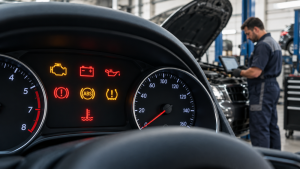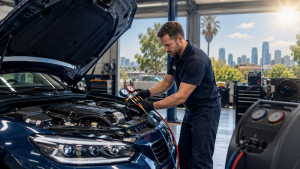
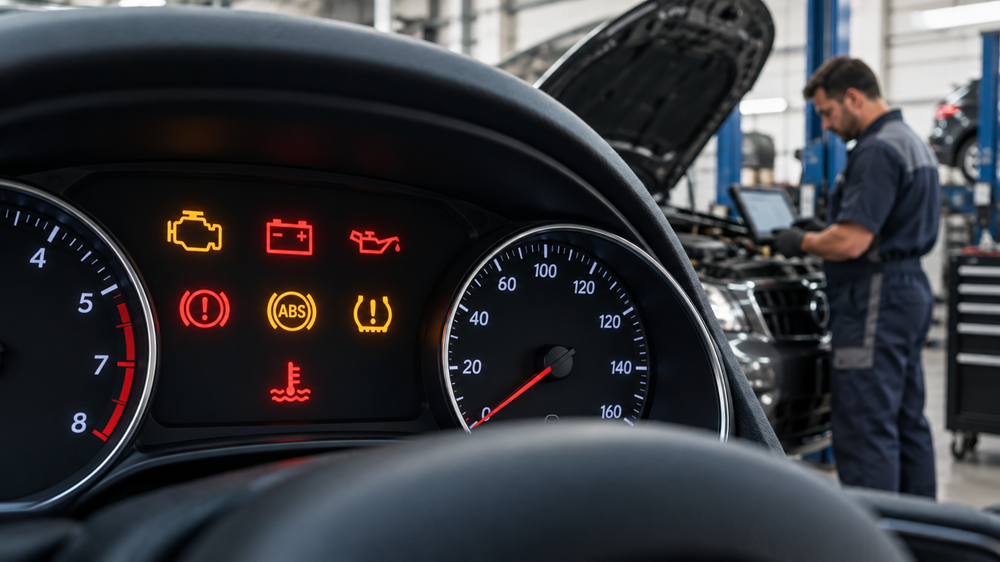
Dashboard warning lights are designed to alert drivers when something may need attention. Some lights are simple reminders, while others can indicate a serious problem that should be checked promptly. Experienced mechanics in Cranbourne can inspect warning lights, identify the likely cause and recommend the appropriate next step. Understanding the most common warning lights can help you respond quickly and avoid unnecessary damage.
Why Dashboard Warning Lights Matter
Modern vehicles use sensors and electronic systems to monitor many parts of the car. When the vehicle detects something outside its normal operating range, a warning light may appear on the dashboard.
The symbol and colour can provide an indication of how urgently the issue needs attention.
In general, red warning lights should be taken seriously because they may indicate a problem that requires immediate attention. Amber or yellow lights often indicate that the vehicle should be checked soon, although the level of urgency depends on the specific warning.
Ignoring a warning light simply because the car still seems to be driving normally can allow a developing problem to become more serious.
Check Engine Light
The check engine light is one of the most familiar dashboard warnings. It can appear for many different reasons, ranging from a relatively minor issue to a more significant engine or emissions problem.
A loose fuel cap, sensor fault, ignition problem or emissions-related issue may trigger the light. In some cases, the light may appear temporarily and then disappear, but this does not necessarily mean the underlying problem has been resolved.
A flashing check engine light is generally more urgent than a steady one. If the engine is running roughly, losing power or making unusual noises at the same time, the vehicle should be assessed promptly.
A diagnostic scan can help identify stored fault codes and provide useful information about the system causing the warning.
Oil Pressure Warning Light
The oil pressure warning light usually appears as an oil can symbol. This warning should not be ignored because low oil pressure can affect engine lubrication.
If the light comes on while driving, stop the vehicle in a safe location as soon as practical and switch off the engine. Continuing to drive with insufficient oil pressure can lead to serious engine damage.
Low oil level is one possible cause, but other issues can also affect oil pressure. The engine should be inspected before the vehicle is driven further if the warning remains illuminated.
Battery or Charging System Light
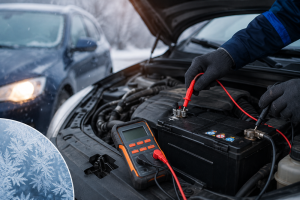
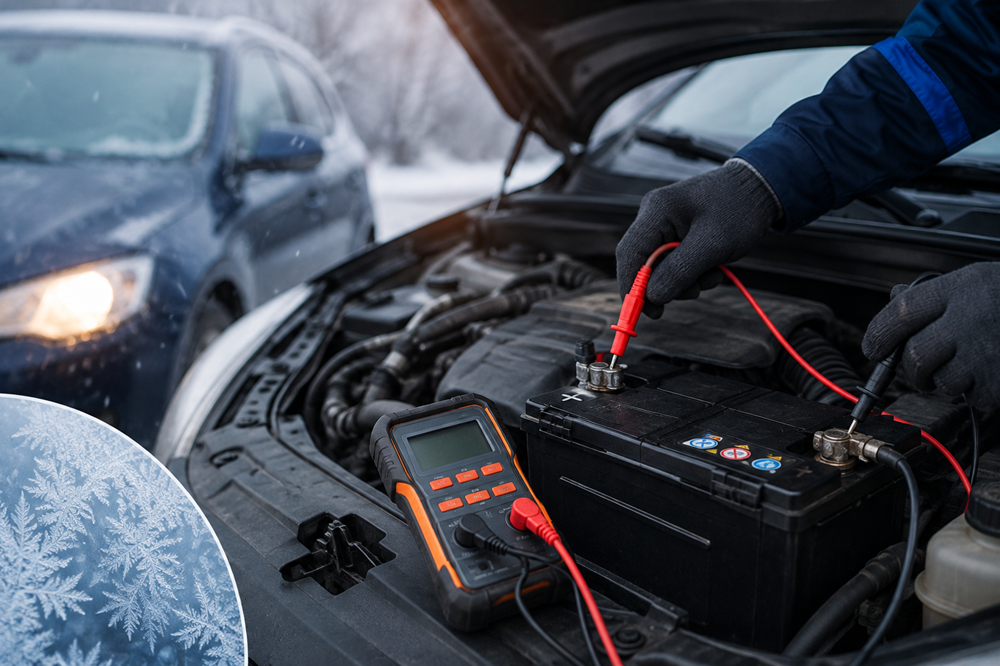
A battery-shaped warning light can indicate a problem with the charging system rather than the battery alone.
Possible causes include a failing alternator, damaged belt, electrical fault or battery-related issue. You may also notice dim headlights, electrical problems or difficulty starting the vehicle.
Once this warning appears, the vehicle may eventually lose electrical power if the charging system is not operating correctly.
A prompt inspection can help identify the source of the problem before the car stops unexpectedly.
Brake Warning Light
A red brake warning light can indicate several issues. It may mean the handbrake is still engaged, the brake fluid level is low or there is a problem within the braking system.
If the light remains on after releasing the handbrake, the vehicle should be checked.
Brake problems should never be treated as a minor inconvenience. Reduced braking performance, a soft brake pedal, grinding sounds or vibrations can all indicate that the braking system needs attention.
If you notice changes in braking while a warning light is displayed, avoid unnecessary driving until the problem has been assessed.
ABS Warning Light
The ABS light indicates a problem with the anti-lock braking system. The conventional brakes may still operate, but the anti-lock function may not be available.
ABS helps prevent wheels from locking during heavy braking, particularly in situations where sudden braking is required.
A vehicle showing an ABS warning should be inspected so the fault can be identified. Driving with an ABS fault may affect braking performance in certain conditions.
Tyre Pressure Warning Light
The tyre pressure warning light usually indicates that one or more tyres have low pressure. Changes in temperature can also affect tyre pressure, particularly during seasonal changes.
Check the tyre pressures according to the vehicle manufacturer’s recommendations and inspect the tyres for visible damage.
A tyre that loses pressure repeatedly may have a puncture, valve problem or other issue that needs attention.
Driving with significantly underinflated tyres can affect handling, braking and tyre wear, so the warning should not be ignored.
Coolant Temperature Warning Light
A temperature warning light or rising temperature gauge can indicate that the engine is overheating.
Possible causes include low coolant, a cooling system leak, a faulty thermostat, radiator problem or another mechanical issue.
If the temperature warning appears, find a safe place to stop and switch off the engine. Continuing to drive an overheating vehicle can cause severe engine damage.
Never remove a hot radiator cap because the cooling system may be under pressure. Allow the vehicle to cool before checking anything under the bonnet.
Airbag Warning Light
The airbag warning light can indicate a problem with the vehicle’s airbag or supplementary restraint system.
Airbags are an important safety feature, so this warning should be taken seriously. A fault may affect the deployment of one or more airbags during a collision.
An electrical connection, sensor or control module issue may be responsible, and professional diagnostic equipment may be needed to identify the fault.
Traction Control Warning Light
A traction control or stability control warning can indicate that the system has been switched off or has detected a fault.
These systems can assist with maintaining control when wheels begin to lose traction.
If the light flashes briefly during slippery conditions, the system may simply be operating as intended. If it remains illuminated continuously or appears alongside another warning, an inspection may be appropriate.
Power Steering Warning Light
A steering wheel warning light can indicate an issue with the power steering system.
Drivers may notice heavier steering, particularly at lower speeds, if assistance has been reduced or lost.
Changes in steering feel should not be ignored. Difficulty controlling the vehicle can present a safety concern, particularly during parking, turning or emergency manoeuvres.
The vehicle should be assessed to determine whether the issue is electrical, hydraulic or related to another steering component.
Service Reminder Lights
Not every dashboard light means the vehicle has developed a fault. Some lights are reminders for scheduled maintenance.
A service reminder may indicate that routine servicing is due based on kilometres travelled or time since the previous service.
Regular maintenance can help monitor fluid levels, filters, brakes, tyres, belts and other components before problems develop.
Keeping the vehicle serviced according to the manufacturer’s schedule is an important part of maintaining reliability.
What to Do When a Warning Light Appears
The first step is to stay calm and identify the warning symbol. Your vehicle handbook can provide useful information about what the symbol means and how urgently it should be addressed.
Pay attention to any symptoms that appear at the same time. Unusual noises, reduced power, overheating, poor braking or changes in steering can provide important clues.
Avoid continuing to drive simply because the vehicle appears to be operating normally. Some faults can exist without causing noticeable changes until the problem becomes more advanced.
Can You Drive With a Warning Light On?
The answer depends on the warning symbol and how the vehicle is behaving.
A minor amber warning may allow you to drive a short distance to a workshop, while a serious red warning may require you to stop and arrange assistance.
Flashing warning lights, overheating, smoke, major fluid leaks, severe braking issues or loss of steering assistance should be treated as urgent.
When there is uncertainty, it is safer to have the vehicle assessed rather than taking unnecessary risks.
How Diagnostic Testing Helps
Many modern vehicles store information about detected faults in their electronic control systems.
Diagnostic equipment can communicate with these systems and retrieve fault codes. These codes can help identify which area of the vehicle requires further investigation.
A fault code does not always mean that the associated component needs to be replaced. Further testing may be required to confirm the actual cause.
Accurate diagnosis can help prevent unnecessary parts replacement and ensure repairs are focused on the underlying issue.
Do Not Clear the Warning Light Without Checking the Cause
Some drivers use diagnostic tools or disconnect the battery to clear a warning light. Although the light may disappear temporarily, the underlying problem may still be present.
Clearing the light without investigating the cause can also remove useful fault information that a technician could have used during diagnosis.
The better approach is to identify the reason for the warning and address the issue properly.
Warning Lights and Routine Servicing
Regular maintenance can help reduce the likelihood of unexpected dashboard warnings. A routine inspection can identify worn components, low fluid levels and other developing issues.
A scheduled car service in Cranbourne can also provide an opportunity to review any warning lights that have appeared since the previous visit.
Service requirements vary between vehicles, so it is important to follow the manufacturer’s recommendations and consider the age, kilometres and driving conditions of the car.
When Repairs Are Needed
Some dashboard warnings may be resolved with a simple adjustment or replacement, while others require more detailed mechanical or electrical work.
Professional assessment can help determine the right repair based on the vehicle’s condition and the cause of the warning.
For drivers needing car repairs in Cranbourne, addressing dashboard warnings early can help prevent a small fault from developing into a more complicated problem.
Keep Your Dashboard Warnings Under Control
Dashboard warning lights are there to provide useful information about the condition of your vehicle. Understanding the difference between a service reminder and a potentially serious mechanical warning can help you make better decisions about when to seek professional assistance.
Singh’s Tyre & Auto Centre can assist with vehicle inspections, diagnostics, servicing and mechanical maintenance for a wide range of common vehicle concerns.
Do not ignore a warning simply because the vehicle still starts and drives. Early assessment can provide a better understanding of the issue and help you determine the safest next step.
Our experienced mechanics team is available to help investigate dashboard warning lights and other vehicle concerns. For an appointment or further information, call 03 8752 4599.