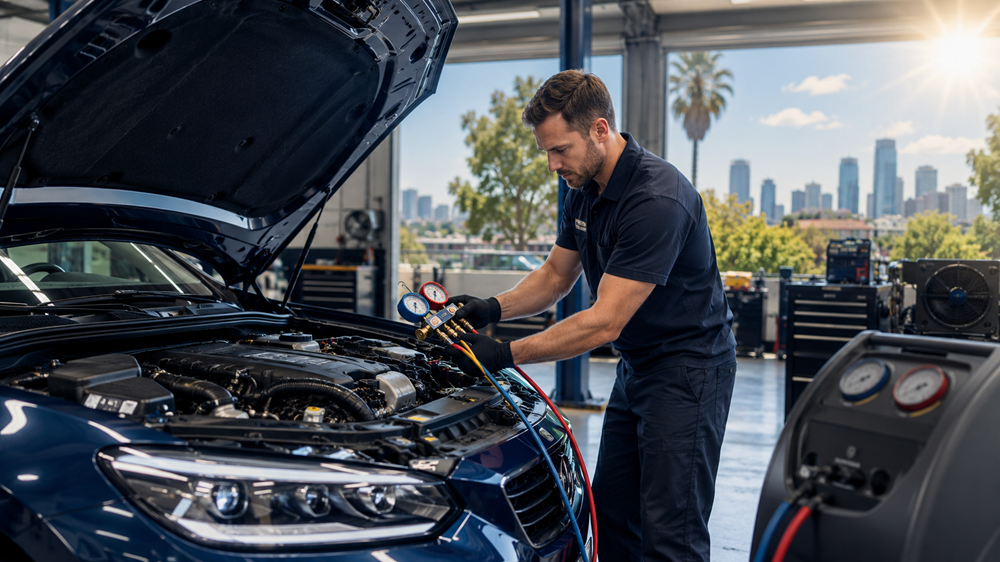

A regular car service is essential for keeping your vehicle safe, reliable and performing as it should. But what exactly happens once you hand your keys to the mechanic? During a car service in Cranbourne West, your vehicle goes through a series of inspections, maintenance checks and component replacements based on its condition and service schedule. Understanding the process can help you know what you are paying for and why regular servicing matters.
What Happens During a Car Service?
A typical car service involves checking the engine oil, filters, fluids, brakes, tyres, battery and other important vehicle components. The exact work performed depends on your vehicle’s make, model, kilometres travelled and whether it requires a minor, major or scheduled logbook service.
Here is a step-by-step look at what usually happens.
Step 1: Initial Vehicle Inspection
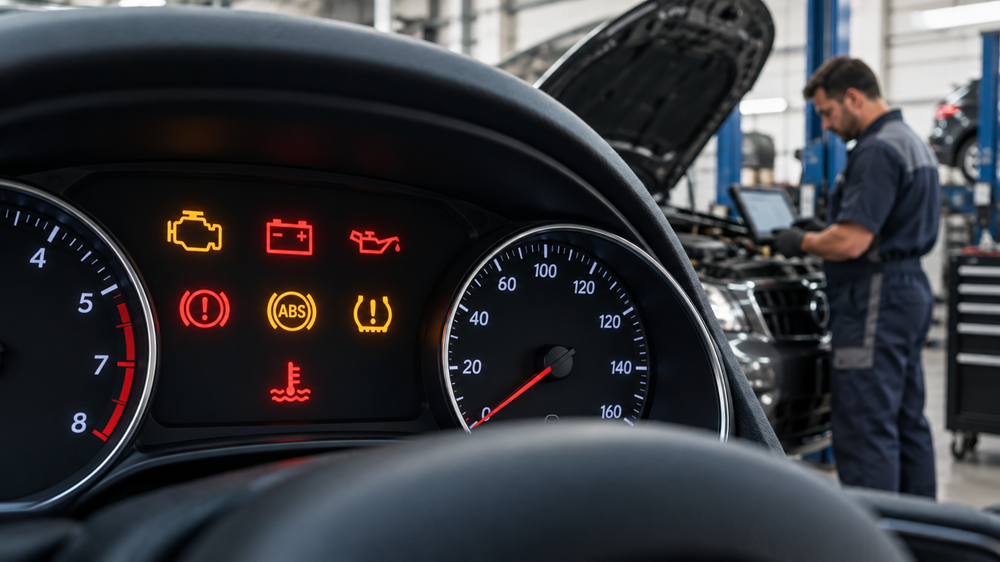
The service generally begins with an overall inspection. The mechanic may check for visible damage, warning lights, fluid leaks and other signs of wear.
If you have noticed unusual noises, vibrations, starting problems or changes in performance, this is a good time to mention them.
Step 2: Engine Oil and Oil Filter Check
Engine oil lubricates moving engine components and helps reduce friction and heat. Over time, oil becomes contaminated and loses effectiveness.
During a scheduled service, the mechanic may drain the old engine oil, replace the oil filter and refill the engine with oil suitable for the vehicle.
Step 3: Fluid Levels Are Inspected
Your vehicle relies on several fluids to operate correctly. Depending on the service requirements, the mechanic may inspect:
- Coolant
- Brake fluid
- Transmission fluid
- Power steering fluid, where applicable
- Windscreen washer fluid
Low fluid levels can sometimes indicate a leak or another problem that requires further investigation.
Step 4: Brakes Are Checked
Brakes are an important part of any vehicle inspection. The mechanic may assess the brake pads, discs, fluid and related components for wear or damage.
If components are approaching their replacement limit, you should be advised before additional repairs are performed.
Step 5: Tyres and Wheels Are Inspected
Tyres are checked for tread condition, visible damage, uneven wear and appropriate pressure.
Uneven wear may indicate a wheel alignment, suspension or tyre issue. Depending on what is found, your mechanic may recommend tyre replacement, balancing or wheel alignment.
Step 6: Battery and Electrical Systems Are Tested
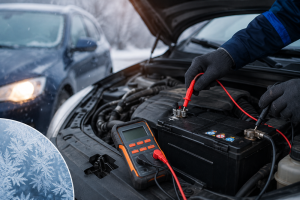
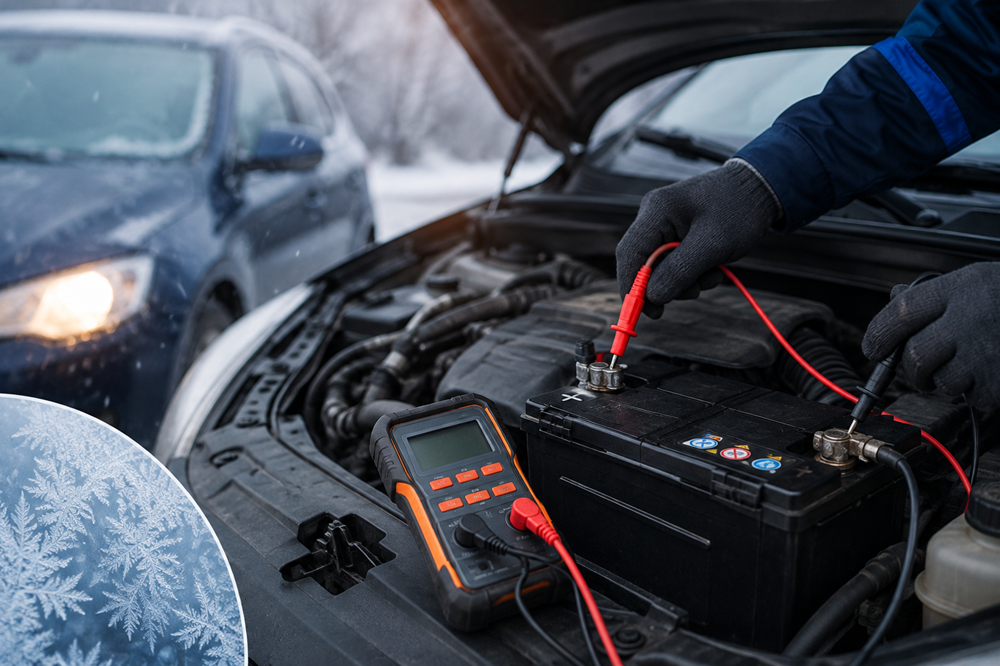
Difficulty starting your vehicle isn’t always caused by the battery alone. A service provides an opportunity to inspect the battery and related electrical systems.
The mechanic may check battery condition, terminals and charging performance. Dashboard warning lights and obvious electrical faults may also be investigated if required.
Step 7: Belts, Hoses and Filters Are Checked
Belts and hoses can deteriorate with age and use. Mechanics inspect accessible components for signs such as cracking, wear, leaks or deterioration.
Air and cabin filters may also be inspected and replaced according to their condition and the manufacturer’s servicing schedule.
Step 8: Steering and Suspension Are Inspected
Your steering and suspension systems influence handling, stability and ride quality.
The mechanic may inspect relevant components for excessive wear or damage. Symptoms such as pulling to one side, unusual noises or changes in handling can indicate that further inspection is required.
Step 9: Lights and Other Safety Components Are Checked
Exterior lights and other basic safety-related items can also form part of a vehicle service inspection.
Headlights, brake lights and indicators may be checked to ensure they operate correctly. Other components can be inspected depending on the type and scope of service being performed.
Step 10: Final Checks and Service Report
Once the scheduled work is complete, the mechanic performs final checks and records the service.
For a logbook service, applicable maintenance should be completed according to the manufacturer’s service schedule and recorded in the vehicle’s logbook.
You should also be informed about any problems discovered during the inspection, particularly items that may require immediate attention or monitoring before the next service.
How Long Does a Car Service Take?
The time required depends on the vehicle and the type of service.
A routine service is generally less involved than a major service, while additional diagnostics or repairs can increase the time required. Your workshop should advise you if additional work is identified before proceeding with repairs outside the agreed service.
Why Should You Service Your Car Regularly?
Regular servicing is preventative maintenance. It allows important vehicle systems to be inspected periodically rather than waiting until something fails.
Keeping up with your vehicle’s recommended servicing schedule can help:
- Identify developing problems earlier
- Maintain reliable vehicle operation
- Reduce unnecessary wear
- Maintain an accurate service history
- Keep safety-related components regularly inspected
- Reduce the likelihood of unexpected mechanical problems
Always refer to your vehicle’s logbook or manufacturer maintenance schedule to determine the appropriate service interval.
Book Your Next Car Service with Singh’s Tyre & Auto Centre
A car service involves much more than changing the engine oil. It is an opportunity to assess your vehicle’s condition, complete scheduled maintenance and identify components that may need attention.
If your vehicle is due for servicing, speak with the experienced mechanics in Cranbourne West at Singh’s Tyre & Auto Centre. Our team services all makes and models and can assist with general servicing, logbook servicing, diagnostics and mechanical repairs. Call Singh’s Tyre & Auto Centre on 03 8752 4599 today to book your car service and keep your vehicle properly maintained.