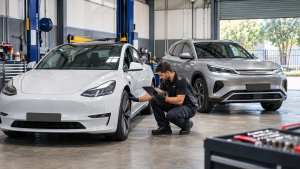
Thinking about selling your electric car this year? More Teslas and BYDs are turning up on Victorian driveways every month, and once you decide it is time to move yours on, the buyer will want the paperwork sorted before they transfer a single dollar. At the centre of every private sale in Victoria is one document: the EV roadworthy certificate Victoria sellers need to complete the transfer of registration. If you are new to how the process works in Australia, our earlier post on the roadworthy certificate and vehicle safety explains the basics in plain English.
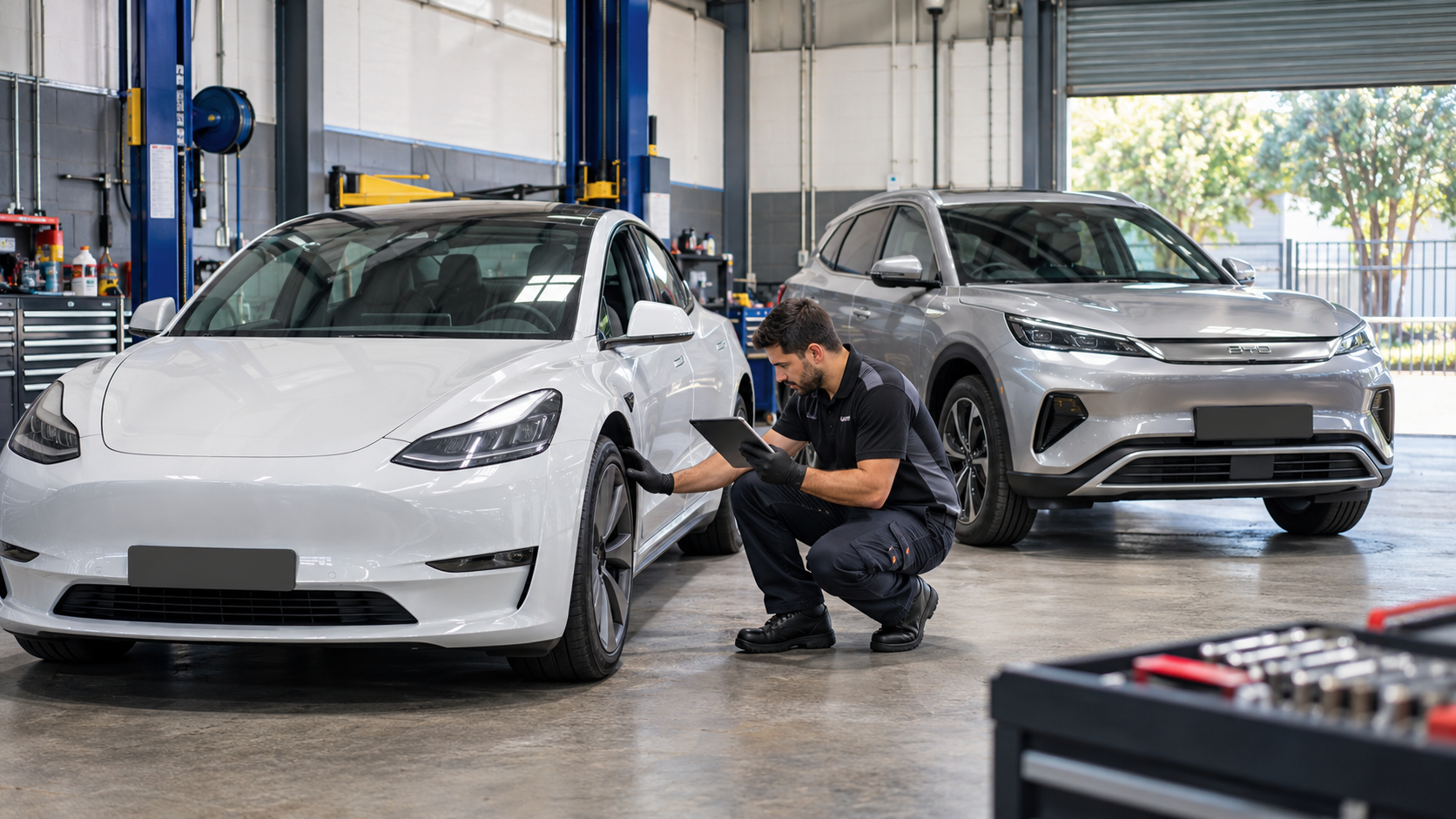
A roadworthy certificate, officially called a Certificate of Roadworthiness, is a formal confirmation that your car met the safety standards on the day it was tested. For electric vehicles like the Tesla Model 3, Tesla Model Y, BYD Atto 3, BYD Dolphin, BYD Sealion 6 and others, the certificate is based on the same framework as a petrol or diesel car, with a few sensible additions around the high voltage system. This guide walks through what the inspection covers, how to prepare, how to book an inspection, and how to close out the sale cleanly.
Why a roadworthy certificate matters when you sell an EV in Victoria
Victoria asks for a current Certificate of Roadworthiness on almost every private vehicle sale. Without it, the buyer cannot transfer the registration into their name, and the sale cannot complete. The certificate stays valid for 30 days from the day it is issued, so timing your test close to your sale date is important. Book too early and the certificate can expire before you shake hands. Book too late and you risk losing a buyer who is ready to move.
An EV is treated the same way under the rules. A Tesla Model Y, a BYD Atto 3 or a Polestar 2 needs the same certificate as a Mazda 3 or a Toyota Corolla. What changes is the type of workshop best placed to run the check, and which items the tester pays closer attention to.
If your car is going to a licensed motor car trader or falls under one of the specific exceptions set by VicRoads, the rules can be different. For a private sale to another driver, you can safely plan around needing a fresh certificate.
Is a Tesla or BYD roadworthy certificate different from a petrol car check?
The short answer is that most of it is the same, with a few important changes. The Victorian inspection framework is built around safety, not around which fuel the car uses. That said, EV technology brings high voltage components into the picture that a classic mechanic may not meet every day. Choosing a workshop that understands the drive unit and battery system makes the check easier for everyone.
What the inspection covers on any car
A standard roadworthy check looks at:
- Brakes, including the handbrake or electric parking brake.
- Steering, suspension, ball joints and bushes.
- Wheels, tyres and tread depth. A worn tyre is one of the most common reasons for a fail, and our guide on signs you should replace your car tyres is a quick way to check before you book.
- Body and structure, including rust, cracks and damage.
- Lights, indicators, brake lights and reflectors.
- Windscreen, wipers and washers.
- Seats, seatbelts and child restraint anchor points.
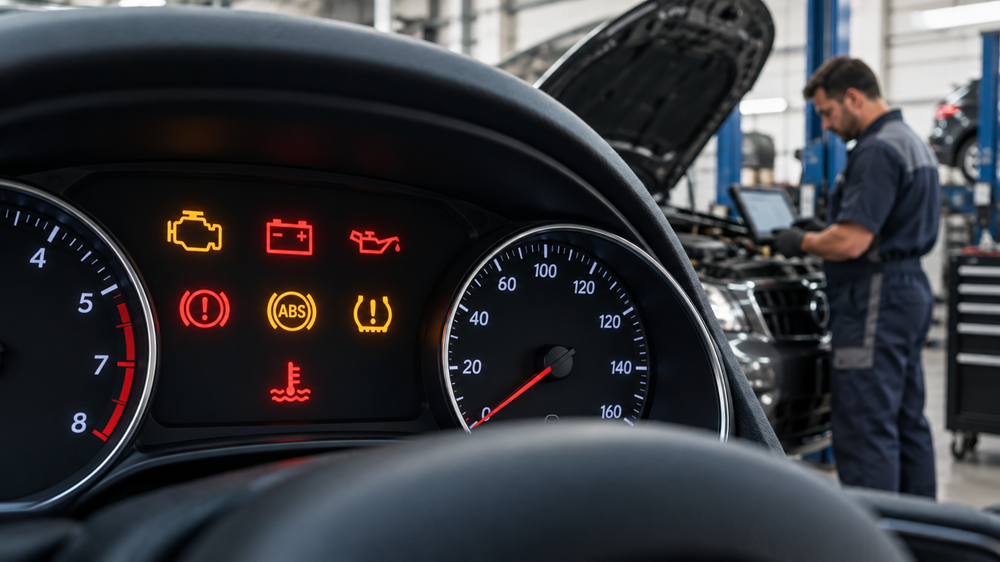
- Horn, speedometer and warning lamps.
- Number plates, mirrors and glass.
What changes for an EV
On a Tesla roadworthy certificate or BYD roadworthy certificate, the tester skips the exhaust, the petrol fuel system and the engine oil check. In their place, the tester pays attention to:
- The high voltage cabling and connectors visible around the vehicle.
- The charge port, charge door and locking mechanism.
- The battery pack mounting and shielding.
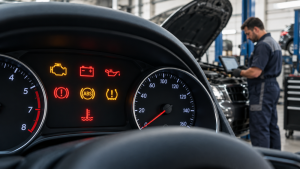
- Any battery, inverter or drive unit warning lamps on the dashboard.
- The regenerative braking system.
- The electric parking brake, which is software controlled on many EVs.
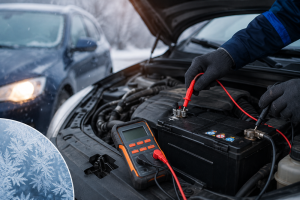
- The condition of the 12 volt auxiliary battery, which runs the lights and controls.
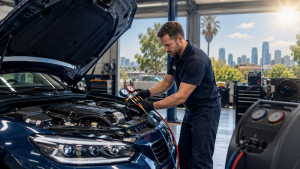
Because this work sits around a high voltage system, you want a workshop that handles EVs on a regular basis and keeps the right tools on hand. Always ask the workshop directly whether they inspect Teslas, BYDs and other EVs before you book a slot.
Your EV roadworthy checklist step by step
Use this seven step checklist to arrive ready. Most failed inspections come from items that could have been caught in the driveway the week before.
1. Gather your paperwork
Before the inspection, bring:
- Your current registration papers.
- Your driver licence as photo ID.
- A copy of the service history, printed or on your phone.
- Records of any accident repairs the car has had.
- The owner’s manual if you have it. The tester sometimes needs a service mode or diagnostic setting.
- Any charging accessories so the tester can check the charge port cleanly.
- Delivery documents, if you bought the car new from a dealer.
Service history matters more than people think when selling an EV. Buyers want to see that scheduled checks were done and that any software recalls were completed. If you have receipts from tyre rotations or cabin filter changes, bring them too.
2. Wash the car and clear the cabin
A clean car is easier to inspect. Wash the exterior, vacuum the cabin and clear the boot. Wipe the windscreen inside and out, and make sure the number plates are easy to read from a few steps back. A clean car also makes a far better impression on the buyer who views it next. Staying on top of simple car maintenance habits in the weeks before the sale pays off twice: first in the test, then in the asking price.
3. Charge the battery enough to drive and run system tests
Testers need power to drive the car onto the hoist and run some checks. A flat or near flat battery can delay the inspection or stop it altogether. Aim for at least 70 percent state of charge on the day. If your car is a plug in hybrid like a BYD Sealion 6, make sure both the battery and the fuel tank are usable so the tester can run both systems. Top up at a public DC charger on the way if you need to.
4. Walk around the car and fix easy items
Spend an evening walking around the car and testing each item yourself. Every indicator, brake light and reverse light should work. Tyres should have legal tread, no visible cord and no sidewall damage. Wipers should clear the windscreen cleanly. The horn should sound. Every seatbelt should retract. Headlight alignment and washer jets are easy to overlook, and a blown number plate bulb is a frustrating reason to fail. Simple fixes in the driveway save you from a failed inspection and a return trip.
5. Book an inspection with a workshop you trust
Victoria requires the test to be done by a licensed vehicle tester. Many workshops hold this licence, but fewer handle EVs regularly. The tester needs training on high voltage systems, insulated tools and the right workshop procedures. When you ring around, a few short questions help you pick the right place:
- Do you inspect Teslas and BYDs on a regular basis?
- How long does a full inspection take at your workshop?
- What is your current fee for a roadworthy certificate?
- Do you provide a written list if the car fails any items?
- Can I book a retest on the same day if the fixes are simple?
Our team at Singh’s Tyre and Auto Centre in Cranbourne is happy to answer questions before you arrive. Call 03 8752 4599 or drop in during business hours to lock in a slot that suits you.
6. Attend on the day
Plan to leave the car with the tester. Most roadworthy inspections take between 60 and 90 minutes once the workshop starts on your car, though the exact time depends on the age and condition of the vehicle. The tester drives it, uses a hoist, and runs the usual brake, steering and lighting checks. If everything passes, you walk away with your Certificate of Roadworthiness the same day. Many workshops email a copy as well as handing you a printed one.
7. Fix any failed items and come back for a retest
If any item fails, the tester provides a written list. You can either have those items fixed at the same workshop or go elsewhere, then come back within seven days for a free retest of the failed items only. Outside the seven day window, a fresh full inspection is needed. Once you hold a passed certificate, you have 30 days to use it in the transfer.
Selling an electric car in Victoria after the certificate
The paperwork does not stop at the certificate. In Victoria, the buyer lodges the Transfer of Registration form within 14 days of the sale. You both sign the form, record the sale price and the odometer reading, and attach a copy of the roadworthy certificate. Keep a copy of every document for your own records in case a question comes up later. Buyers sometimes ring sellers weeks after the sale for a service receipt, so a tidy folder saves you a scramble.
When the sale is confirmed, run through this short list too:
- Remove your personal data from the car. That means saved addresses, home Wi Fi networks, paired phones, driver profiles and the Tesla or BYD app owner credentials.
- Hand over both key cards or spare keys, plus any phone key setup instructions.
- Pass on any wall charger paperwork, warranty details and the original delivery documents.
- Share the service history, including any over the air software updates applied by the manufacturer.
- Note any cosmetic flaws honestly in the sale ad. Buyers will see them on inspection anyway.
If you are moving interstate as well as selling the car, let VicRoads know in writing. Interstate moves can affect how the sale and the final registration are handled.
Common questions from Tesla and BYD sellers
Tesla and BYD drivers tend to ask the same handful of questions when it is time to sell. Here are short, plain answers to the most common ones.
Does a software update count as a safety repair?
Only when the manufacturer has issued it as part of a safety recall. Keep records of any recalls applied to the car. Buyers often check the car’s VIN against public recall lists before they agree to buy, and a complete recall record is a strong selling point.
Do I need to reset the car to factory settings before selling it?
A reset is strongly recommended once the sale is confirmed. Do the reset after the inspection so the tester can still access the car to run the checks. Your owner’s manual explains the process for your specific model. If you are unsure, ring the manufacturer’s support line before you hand over the keys.
What about the home charger?
The home charger stays with the house unless you choose to include it in the sale. If you are selling the house at the same time, pass on the install paperwork and any electrician certificates. If you are keeping the house, let the buyer know that the sale covers the car only.
Can I sell the car with a cracked windscreen?
Not with a crack in the driver’s line of sight or a crack that is longer than the limit set in the roadworthy standard. Small chips can often be repaired. Replace or repair before the test to avoid an easy fail.
How often should I check the EV before the inspection?
A full walk around once a week in the month before the sale catches most issues. Pay attention to tyre pressures, brake feel, dashboard warning lamps and any new noises when you drive. A quick fix now is cheaper than a retest later.
Book your EV roadworthy inspection in Cranbourne
If you live in the south east of Melbourne, Singh’s Tyre and Auto Centre is based in Cranbourne and looks after drivers across Cranbourne, Berwick, Narre Warren, Skye, Clyde, Hampton Park, Keysborough and Hallam, along with nearby suburbs. Our team is certified to conduct roadworthy inspections and looks after all makes and models. Call 03 8752 4599 to book your RWC. If you have questions about your specific car, feel free to ring first and ask. You can also browse our other car care guides for more practical tips before the sale.
Frequently asked questions about EV roadworthy certificates in Victoria
Q. Do I need a roadworthy certificate to sell my Tesla in Victoria?
Yes. Any registered car sold privately in Victoria must have a current Certificate of Roadworthiness before registration can transfer. This includes a Tesla Model Y, Model 3, Model S or Model X.
Q. How long does a BYD roadworthy certificate stay valid?
Thirty days from the day of issue. If the sale and the transfer are not finished within that window, a fresh inspection is needed.
Q. Can any workshop issue an EV roadworthy certificate?
Only a licensed vehicle tester can issue the certificate. For an electric car, choose a tester that handles EVs regularly. Always ask the workshop first to be safe.
Q. How much does an EV roadworthy certificate cost?
Prices vary by workshop and by the state of the car. Call Singh’s Tyre and Auto Centre on 03 8752 4599 for the current fee at our Cranbourne workshop.
Q. What happens if my EV fails the inspection?
The tester gives you a written list of the failed items. You fix those items and come back within seven days for a free retest of those items only. You pay again only if the retest falls outside the seven day window.
Q. Do I need to charge the car fully before the test?
No, but you need enough charge for the tester to drive the car and run system checks. Seventy percent is a safe target.
Q. Can I sell an EV in Victoria without a roadworthy certificate?
Only to a licensed motor car trader or on a limited set of exceptions set by VicRoads. For a private sale to another driver, a current certificate is needed.
Q. Does the certificate guarantee the car is in perfect shape?
No. A roadworthy certificate confirms the key safety systems were in order on the day of the test. It is not a mechanical warranty or a condition report, and buyers may still want an independent inspection of their own.
Ready to hand over the keys?
Selling an electric car in Victoria is far easier when the paperwork is ready and the inspection goes through cleanly. A current roadworthy certificate gives your buyer confidence and clears the path for the registration transfer through VicRoads. Singh’s Tyre and Auto Centre is ready to inspect your Tesla, BYD or any other EV at our Cranbourne workshop and hand over the certificate the same day, where the car is in good order.
Call 03 8752 4599 to book your EV roadworthy Cranbourne drivers trust, and give yourself one fewer thing to worry about on sale day.