As winter comes to an end and spring approaches, it is a good time for Melbourne drivers to give their vehicles some attention. Cold mornings, wet roads and regular winter driving can affect different parts of a car over time. Booking a check with a reliable mechanic in Cranbourne West can help identify worn or damaged components before they become bigger problems during the warmer months.
Spring also brings more weekend trips, longer drives and changing road conditions, making it a practical time to review your vehicle’s condition.
Give Your Car a Post-Winter Check
Your car deals with a variety of conditions during winter. Early morning starts, rain, damp roads and cooler temperatures can all place additional demands on the vehicle.
Some problems may not be obvious while driving every day. A tyre may gradually lose tread, a battery may become weaker, or a windscreen wiper may start leaving streaks without immediately becoming unusable.
A spring inspection provides an opportunity to look at these smaller issues before they affect your daily driving.
It is also useful for drivers who have been putting off a service or repair. Dealing with maintenance before the warmer months can make the vehicle more prepared for increased driving.
Pay Attention to Your Tyres
Tyres deserve particular attention as they have a direct impact on how your vehicle handles, stops and grips the road.
Take a look at the tread and inspect the sidewalls for visible cracks, cuts, bulges or other damage. Uneven tread wear is another sign that should not be overlooked.
Check your tyre pressures as well. The recommended pressure can usually be found in the vehicle handbook or on the manufacturer’s information label inside the vehicle.
Tyres that are underinflated or overinflated can affect handling and wear. If one tyre repeatedly loses pressure, there may be an underlying problem that needs to be investigated.
Spring is also a good opportunity to check whether your tyres are approaching the end of their usable life before planning longer drives.
Check the Braking System
Reliable brakes are essential throughout the year, particularly when roads are wet.
Listen for unusual noises when braking and pay attention to any changes in the way the brake pedal feels. Vibrations, grinding sounds, squealing or a vehicle pulling to one side while braking should be inspected.
Brake wear is not always easy to judge from outside the vehicle. A professional inspection can provide a better understanding of the condition of the brake pads, discs and other related components.
Addressing unusual braking behaviour early can help prevent further damage and maintain safe vehicle operation.
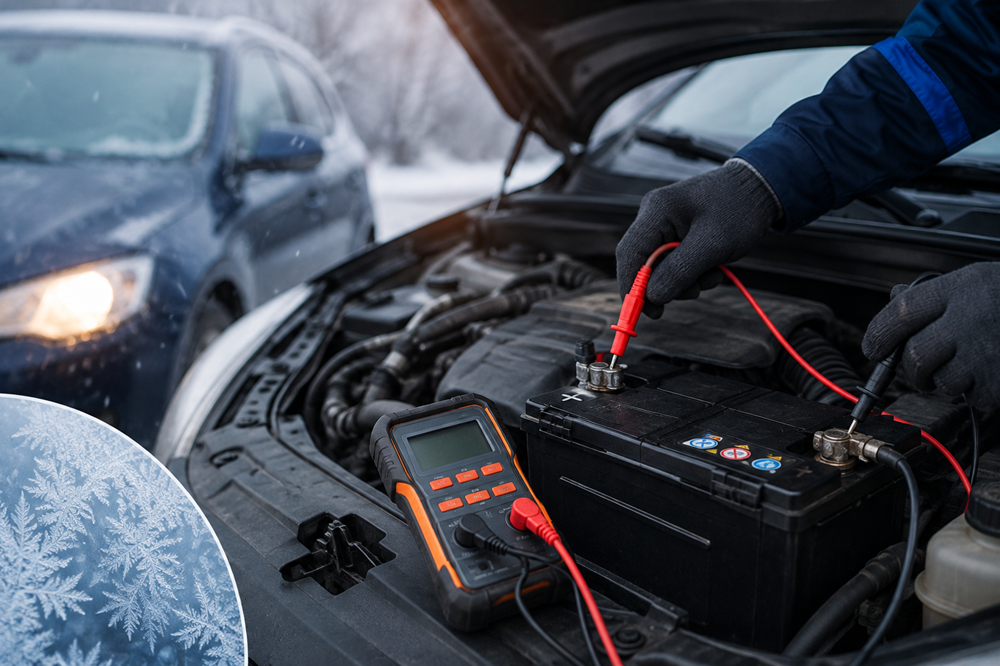
Test the Battery Before It Lets You Down
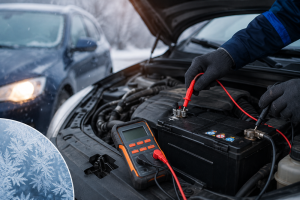
Winter can be demanding on a vehicle battery. Frequent cold starts can place additional strain on a battery that is already ageing.
A car that takes longer than usual to start, produces a slow cranking sound or experiences electrical issues may need a battery check.
Do not wait for the vehicle to completely fail before considering the battery. Testing its condition can help determine whether it is still performing properly or approaching replacement time.
This is particularly useful before spring road trips, when a reliable starting system becomes even more important for drivers planning longer journeys.
Inspect Your Windscreen Wipers
Spring can bring a mixture of sunshine and sudden rain across Melbourne. Good visibility is essential when driving through changing conditions.
Check your wiper blades for cracking, splitting or signs of deterioration. Turn them on and observe whether they clear the windscreen evenly.
Streaks, smears or sections of the windscreen that remain covered in water can indicate that the blades need replacing.
Also inspect the windscreen for chips or cracks. Even a small area of damage can become more noticeable over time, particularly when the vehicle is exposed to changing temperatures.
Make Sure All Your Lights Work
Longer daylight hours in spring do not remove the need for properly functioning vehicle lights.
Walk around the vehicle and check the headlights, brake lights, indicators, reverse lights and other fitted lights.
A faulty light can make it harder for other motorists to see your vehicle and can also create problems during a roadworthy inspection.
If a replacement bulb does not solve an issue, there may be an electrical fault that requires further investigation.
Check Under the Bonnet
Opening the bonnet and checking the engine bay can reveal signs that something needs attention.
Look for fluid leaks, damaged hoses, loose connections and unusual residue. Engine oil, coolant and other fluids should be maintained at appropriate levels.
A low fluid level can sometimes indicate a leak rather than simply a need for a top-up. If you regularly find that a fluid level is dropping, have the cause investigated.
Coolant is particularly important as warmer weather approaches. The cooling system needs to operate correctly to help regulate engine temperature during everyday driving.
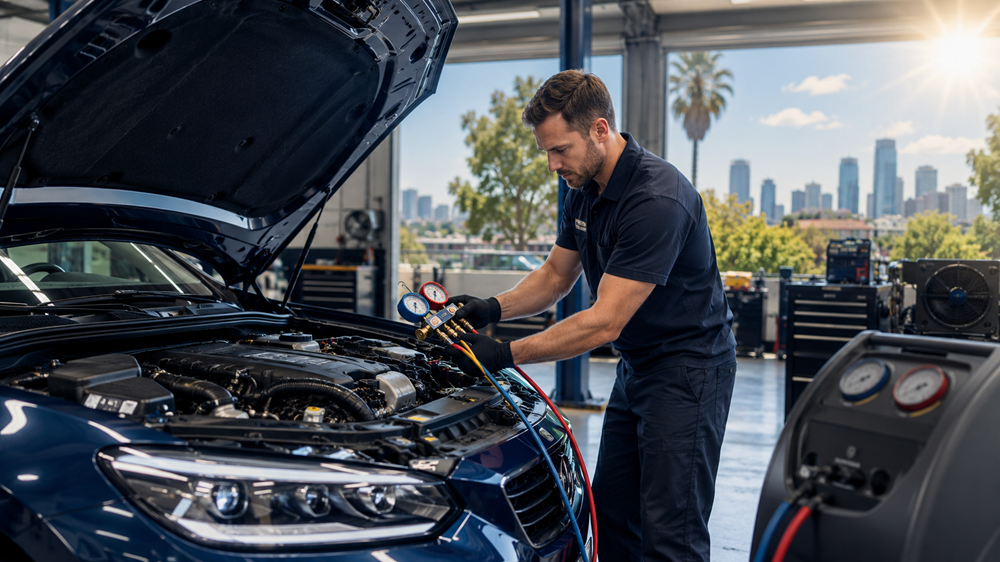
Get Your Air Conditioning Ready
After months of using the heater more often, your air conditioning may not have received much attention.
Turn the system on before the weather becomes significantly warmer. Check whether the air becomes cool, whether the airflow is strong, and whether unusual smells are coming through the vents.
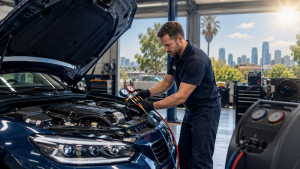
Weak airflow or unusual odours can indicate that the system needs attention. Cabin filters may also become dirty over time, affecting airflow and the quality of air inside the vehicle.
Getting the system checked before the first really hot days of the season can be more convenient than discovering a problem when you need the air conditioning most.
Listen to Your Suspension and Steering
Melbourne roads can be unpredictable, with potholes and uneven surfaces appearing in many areas. Hitting a pothole can affect tyres, wheel alignment, steering and suspension components.
Notice how the car behaves after driving over uneven roads.
A knocking sound, steering vibration, unusual tyre wear or a vehicle that does not travel straight can indicate that something needs checking.
The steering wheel should also return naturally after making a turn. Any noticeable change in steering feel should be assessed rather than ignored.
Look at Your Wheel Alignment
Poor wheel alignment can develop gradually or occur after hitting a pothole or kerb.
Uneven wear across your tyres can be an early indication of an alignment issue. You may also notice that the vehicle pulls slightly to one side or that the steering wheel is not centred when travelling on a straight road.
Correct alignment can help support even tyre wear and predictable handling.
If you have noticed changes in the way your vehicle drives during winter, spring is a good time to have the wheels and suspension checked.
Check Your Service Due Date
A seasonal inspection is useful, but it should not replace the manufacturer’s recommended servicing schedule.
Check your service records to see when the next service is due. If you have missed a scheduled service, spring can be a convenient opportunity to bring the vehicle up to date.
Regular servicing can help identify developing issues and keep important maintenance work on schedule.
For drivers searching for car service in Cranbourne West, choosing a workshop that can look after routine servicing as well as tyres, brakes and general repairs can make ongoing vehicle maintenance easier.
Prepare Before Spring Road Trips
Warmer weather often means more weekend drives, family outings and trips around Victoria.
Before heading off on a longer journey, give your vehicle a basic inspection. Check the tyre pressures, lights, fluids, wipers and spare tyre. Make sure your vehicle’s registration and roadside assistance details are also current.
If the car has been making an unusual noise or showing a warning light, have it checked before travelling a long distance.
A small issue that is manageable close to home can become much more inconvenient when it occurs several hours into a road trip.
Don’t Ignore Warning Signs
Cars often provide clues when something is beginning to wear or malfunction.
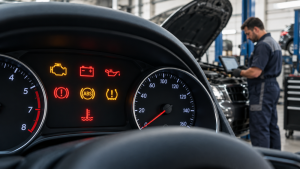
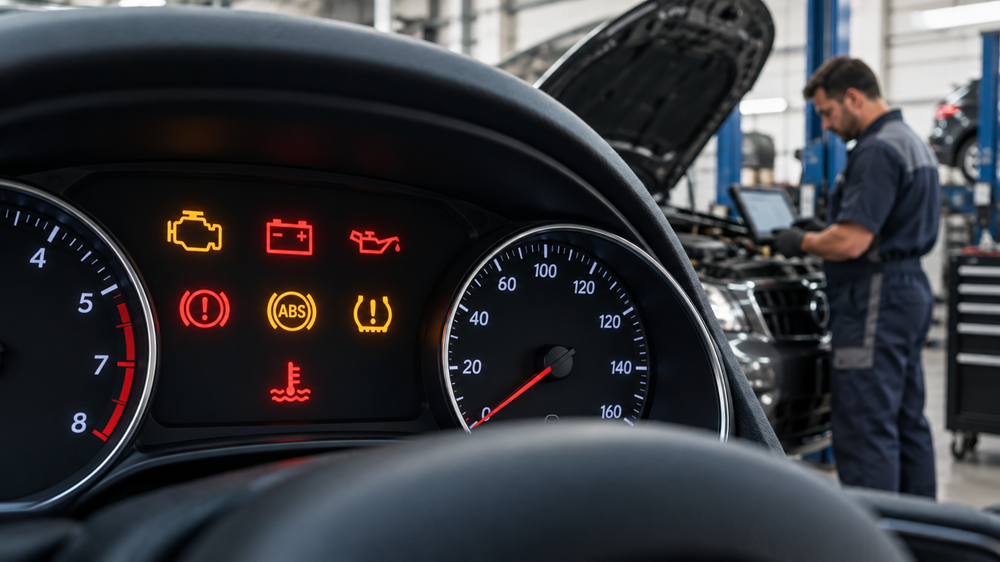
A new vibration, unusual smell, warning light, strange noise or change in handling should be taken seriously. It does not necessarily mean there is a major fault, but getting it checked can help identify the cause.
Drivers are often familiar with how their own vehicle feels and sounds. Even a subtle change can be useful information for a technician.
Keeping a note of when the issue occurs can also help with diagnosis. For example, record whether a noise happens during braking, turning, accelerating or when the engine is cold.
A Simple Spring Maintenance Routine
Getting your car ready for spring does not require complicated work at home. Start with the basics and arrange professional assistance for anything that needs a closer inspection.
A useful spring checklist includes:
- Checking tyre condition and pressure
- Looking for uneven tyre wear
- Testing the brakes
- Checking the battery
- Inspecting wiper blades
- Testing all exterior lights
- Checking engine oil and coolant
- Testing the air conditioning
- Looking for fluid leaks
- Paying attention to steering and suspension changes
- Checking when your next service is due
These simple steps can help you stay aware of your vehicle’s condition as the seasons change.
Get Your Vehicle Ready for the Warmer Months
Spring is a good reminder that regular vehicle care should not only happen when a problem appears. A seasonal check can help identify wear, keep routine maintenance on track and prepare your car for the different driving conditions ahead.
At Singhs Tyre & Auto Centre, drivers can arrange servicing, inspections, tyre work and other vehicle maintenance to keep their cars in good working condition.
Whether you are commuting around Cranbourne West or planning longer spring drives, taking care of small maintenance issues early can make your vehicle more dependable.
If your car is due for a service or you would like to have it checked before spring driving increases, contact our experienced mechanics on 03 8752 4599.