
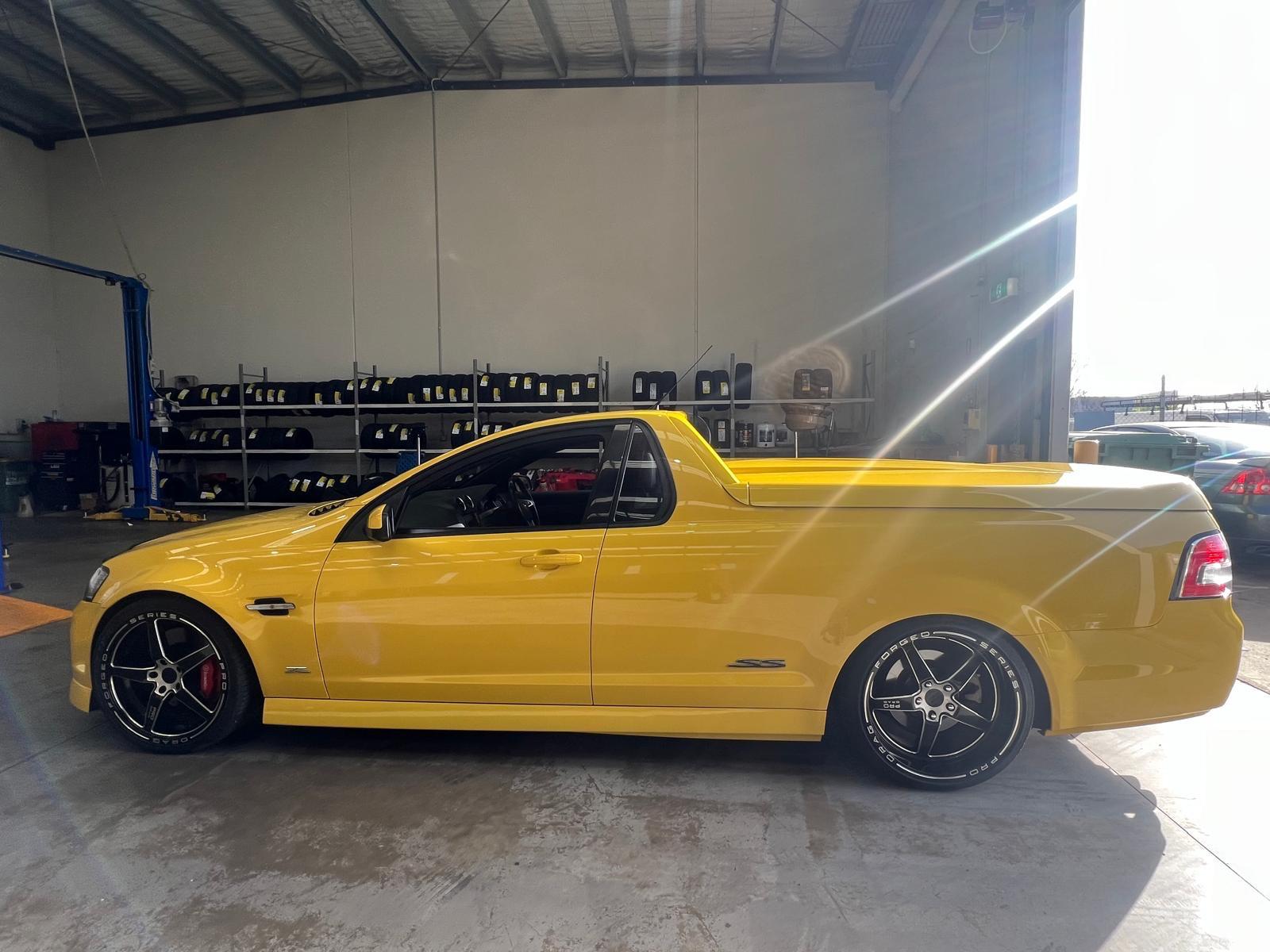
Diesel cars are known for their durability and fuel efficiency, but without proper maintenance and driving habits, fuel consumption can increase over time. Making small adjustments to how a vehicle is driven and maintained can lead to significant savings on fuel costs. Here are some practical tips to improve the fuel efficiency of diesel cars. Experienced mechanics in Cranbourne can assist with professional servicing to ensure the vehicle runs at peak efficiency.
Regular Maintenance and Servicing
Keeping a diesel car in top condition is essential for optimal fuel efficiency. Routine maintenance ensures that the engine and other components function properly, reducing unnecessary fuel consumption.
- Check and replace air filters: A clogged air filter restricts airflow to the engine, making it work harder and burn more fuel. Cleaning or replacing the air filter at recommended intervals improves engine efficiency.
- Use high-quality engine oil: The right engine oil reduces friction, helping the engine operate smoothly and efficiently.
- Ensure tyre pressure is correct: Underinflated tyres increase rolling resistance, causing the engine to use more fuel. Checking tyre pressure regularly and maintaining it at the manufacturer’s recommended level helps improve fuel efficiency.
- Get professional servicing: Seeking assistance from experienced mechanics ensures the vehicle receives proper servicing, which keeps it running efficiently.
Drive Smoothly and Avoid Rapid Acceleration
Aggressive driving habits such as sudden acceleration and hard braking consume more fuel. Smooth driving reduces stress on the engine and improves fuel economy.
- Maintain a steady speed: Fluctuations in speed force the engine to work harder, leading to higher fuel consumption. Using cruise control on highways helps maintain a consistent speed and reduces fuel usage.
- Shift gears properly: For manual transmission vehicles, shifting to a higher gear at the right time prevents excessive fuel consumption.
- Avoid idling for long periods: Diesel engines consume fuel even when idling. Turning off the engine when waiting for extended periods helps conserve fuel. Regular maintenance, including car battery replacement in Cranbourne, ensures the vehicle’s electrical system functions optimally, preventing unnecessary fuel usage.
Reduce Unnecessary Load and Drag
Carrying excess weight or adding external accessories that increase wind resistance can negatively impact fuel efficiency.
- Remove unnecessary items: Carrying heavy loads in the boot or on roof racks increases fuel consumption. Keeping only essential items in the car reduces the strain on the engine.
- Avoid roof racks when not in use: Roof racks and roof boxes create aerodynamic drag, making the car less fuel-efficient.
- Close windows at high speeds: Open windows create wind resistance, forcing the engine to work harder. Keeping windows closed when driving at high speeds helps maintain fuel efficiency.
Use the Right Fuel and Additives
The quality of diesel used in a car affects its performance and efficiency. Choosing high-quality fuel ensures better combustion and mileage.
- Use premium diesel when necessary: Some diesel fuels contain additives that help clean the engine and improve efficiency.
- Consider fuel additives: Fuel additives designed for diesel engines can clean injectors and improve fuel combustion, leading to better mileage.
- Fill up at reputable stations: Diesel quality varies between fuel stations. Choosing reputable brands ensures that the fuel is clean and free from contaminants.
Keep the Battery and Electrical System in Good Condition
A well-maintained electrical system helps the engine run efficiently. Faulty components can place additional strain on the engine, reducing fuel efficiency.
- Ensure proper battery maintenance: A failing battery forces the alternator to work harder, increasing fuel consumption. If the battery is old or struggling to hold a charge, consider a car battery replacement to improve overall efficiency.
- Check electrical components: Faulty wiring, malfunctioning sensors, or inefficient alternators can impact engine performance. Consulting an auto electrician Cranbourne in Cranbourne can help diagnose and fix electrical issues.
Optimise Air Conditioning Usage
Air conditioning increases fuel consumption, especially at lower speeds. Using it efficiently helps conserve fuel.
- Use air conditioning sparingly: Turning off the air conditioning when it’s not needed can save fuel.
- Use ventilation when possible: Opening vents instead of running the air conditioner at low speeds reduces engine load.
- Avoid running air conditioning at maximum settings: Using moderate settings keeps the cabin comfortable without putting excessive strain on the engine.
Plan Journeys Efficiently
Driving efficiently also involves planning trips to minimise fuel consumption.
- Combine multiple trips: Short trips with cold starts use more fuel. Combining errands into one trip reduces overall fuel consumption.
- Avoid peak traffic times: Stop-and-go traffic increases fuel usage. Driving during off-peak hours helps maintain better fuel efficiency.
- Use navigation apps: GPS apps with real-time traffic updates help find the shortest and most fuel-efficient routes.
Conclusion
Improving the fuel efficiency of a diesel car is achievable with regular maintenance, efficient driving habits, and mindful vehicle usage. Implementing these strategies not only saves money on fuel but also helps reduce environmental impact. Keeping the car well-serviced, using high-quality fuel, reducing unnecessary weight, and maintaining proper tyre pressure are all effective ways to maximise fuel efficiency. Keep your cars running at peak efficiency with expert servicing from Singh’s Tyre & Auto Centre! Our professionals are here to help—call us today at 03 8752 4599.