
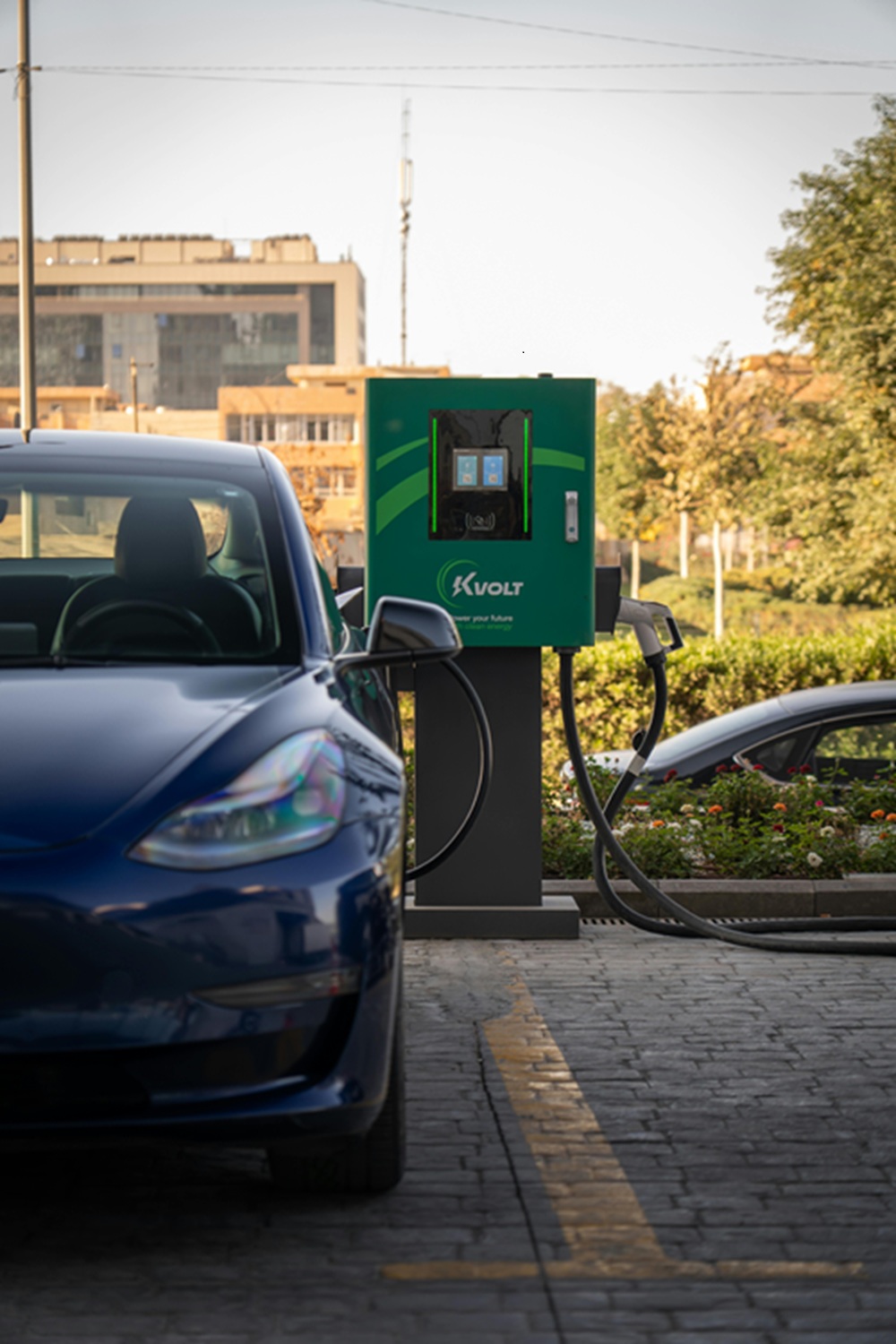
Electric vehicles (EVs) are no longer a futuristic concept in Australia. They are now a serious option for everyday drivers, families and even fleets. As we approach 2026, more Australians are asking a practical question rather than a trendy one: are electric cars actually worth it?
With rising fuel prices, expanding charging networks and more models entering the market, EV ownership is becoming more realistic. However, electric cars are not a one-size-fits-all solution. Understanding the benefits, limitations and real costs is essential before making the switch.
Why Electric Cars Are Gaining Popularity in Australia
Australia’s EV market has grown steadily over the past few years. Government incentives, lower running costs and growing environmental awareness have all contributed to this shift.
Many drivers are attracted to:
- Lower fuel costs compared to petrol or diesel
- Reduced emissions
- Quiet and smooth driving experience
- Fewer moving engine parts
As manufacturers expand their EV ranges, Australians now have more choice across price points, body styles and driving ranges than ever before.
The Real Cost of Buying an Electric Car
One of the biggest considerations is the upfront cost. Electric cars generally cost more to purchase than equivalent petrol vehicles, although this gap is narrowing.
In 2026, EV pricing is expected to improve due to:
- Increased competition between manufacturers
- Local and federal incentives
- Greater availability of used EVs
While purchase prices may still be higher, many buyers offset this through lower running and servicing costs over time.
Running Costs: Where EVs Really Shine
Electric vehicles are significantly cheaper to “fuel”. Charging at home costs far less per kilometre than petrol, especially with off-peak electricity rates or solar panels.
Other cost advantages include:
- No petrol or diesel expenses
- Fewer fluids required
- Reduced wear on braking systems due to regenerative braking
Over several years of ownership, these savings can be substantial, particularly for drivers who commute frequently.
Maintenance: Simpler, But Not Maintenance-Free
EVs have fewer mechanical components than internal combustion vehicles. There are no oil changes, spark plugs or exhaust systems.
However, EVs still require servicing, including:
- Brake inspections
- Tyre checks and replacements
- Suspension and steering assessments
- Battery health monitoring
- Software updates
- Cooling system checks for battery and electronics
While maintenance costs are generally lower, ignoring servicing can still lead to expensive repairs.
Battery Life and Replacement Costs
Battery longevity is one of the most common concerns for potential EV buyers. Modern EV batteries are designed to last many years, often 8 to 15 years depending on usage and charging habits.
Factors that affect battery life include:
- Frequent fast charging
- Extreme temperatures
- Driving patterns
- Charging to 100 percent regularly
Battery replacement is expensive, but prices are expected to decline as technology improves. Many manufacturers also offer long battery warranties, reducing risk for early owners.
Charging Infrastructure in Australia
Charging availability has improved significantly across Australia, especially in major cities and along highways. However, regional access can still be inconsistent.
Most EV owners rely primarily on home charging, which is convenient but requires:
- A dedicated charging unit
- Suitable electrical capacity
- Installation costs
Public chargers are expanding, but planning longer trips still requires more preparation than petrol refuelling.
Driving Range: Is It Enough for Everyday Use?
Modern electric cars now offer ranges that comfortably suit daily driving. For most Australians, daily travel falls well within the range of current EVs.
However, long-distance travel can still be a challenge, particularly in remote areas. While range anxiety has reduced, it hasn’t disappeared entirely.
Choosing the right model with sufficient range for your lifestyle is critical to satisfaction.
Environmental Impact: Not as Simple as It Sounds
EVs produce zero tailpipe emissions, which is a clear benefit for urban air quality. However, their overall environmental impact depends on:
- How electricity is generated
- Battery manufacturing processes
- End-of-life recycling systems
Australia’s energy grid is gradually shifting toward renewables, which improves the long-term environmental benefits of EVs.
Insurance, Registration and Resale Value
Insurance costs for EVs can be slightly higher due to repair complexity and battery value. However, this varies by insurer and model.
Resale value remains strong for many EVs due to high demand and limited supply. As the market matures, resale trends are expected to stabilise.
Who Should Consider an Electric Car in 2026?
Electric vehicles are well suited for:
- City commuters
- Households with home charging
- Drivers with predictable daily travel
- Owners seeking lower running costs
They may not yet suit:
- Frequent long-distance rural drivers
- Households without charging access
- Drivers on very tight upfront budgets
The decision depends more on lifestyle than hype.
So, Are Electric Cars Worth It in Australia?
For many Australians in 2026, electric cars will absolutely be worth it. Lower running costs, improving infrastructure and advancing technology make EVs an increasingly sensible choice.
However, they are not universally ideal. Understanding costs, charging needs and maintenance requirements ensures buyers make informed decisions rather than emotional ones.
Get Expert Advice Before Making the Switch
Whether you already own an electric vehicle or are considering one, professional guidance matters. EVs still rely on tyres, brakes, suspension, electronics and safety systems that require expert care.
If you’re looking for trusted mechanics in Cranbourne who understand modern vehicles, call 03 8752 4599 to book an inspection or consultation today.
At Singh’s Tyre & Auto Centre, we help drivers navigate the transition to electric vehicles with honest advice, thorough servicing and up-to-date knowledge to keep you confidently on the road in 2026 and beyond.