Buying your first car is exciting, but it’s also easy to get caught up in the moment and overlook the details that really matter. Whether you’re eyeing off a car on Facebook Marketplace, a local dealership, or a private seller down the road, having a checklist can save you from a costly mistake. It’s also worth knowing that having a relationship with trusted mechanics in Cranbourne before you buy — not after — can make the entire process far less stressful, since a second opinion from someone who isn’t trying to sell you the car is invaluable. Here’s a practical, locally-focused checklist to help first-time buyers in Cranbourne make a confident, informed decision.
1. Set a Realistic Budget (Beyond Just the Purchase Price)
Before you start browsing listings, work out your full budget — not just what you’re willing to pay for the car itself. First-time buyers often forget to factor in registration transfer costs, insurance, a roadworthy certificate (if it’s not already included), and the cost of any immediate repairs or servicing. A good rule of thumb is to set aside an extra 10–15% of the purchase price for these additional costs so you’re not caught out in the first few weeks of ownership.
It’s also worth thinking about ongoing running costs rather than just the upfront price. Fuel efficiency, insurance premiums for younger or newer drivers, and the availability of affordable parts can all vary significantly between models. A cheaper car to buy isn’t always the cheaper car to own, so it pays to look at the bigger picture before falling in love with a particular listing.
2. Decide New vs Used, and What Body Type Suits You
For most first-time buyers, a used car makes more financial sense, since depreciation hits hardest in the first few years of a car’s life. Think about what you’ll actually be using the car for — commuting to work or study, weekend trips, or carrying passengers — and let that guide whether you’re looking at a small hatchback, a sedan, or something larger like an SUV.
If you’ll mostly be driving around Cranbourne and nearby suburbs for work or study, a smaller, fuel-efficient car is usually the most practical and affordable option. If you’re planning regular trips further afield, or need to carry family members or gear, it’s worth prioritising comfort, boot space, and safety features over simply chasing the cheapest sticker price.
3. Research the Specific Make and Model
Once you’ve narrowed down a few options, spend some time researching common issues for that specific make and model. Every car has its quirks, and a quick search can reveal whether a particular model is known for transmission problems, electrical faults, or expensive parts. This kind of research takes ten minutes and can save you thousands down the track.
4. Check the Vehicle History
Before inspecting any car in person, run a PPSR (Personal Property Securities Register) check using the vehicle’s VIN or registration number. This will tell you whether the car has any money owing on it, has been written off, or is reported stolen. It’s a small cost that protects you from inheriting someone else’s debt or buying a car you can’t legally register.
It’s also worth asking the seller for the car’s service history, if it’s available. A well-documented service record is a good sign the previous owner looked after the car, while gaps in servicing or a complete lack of records can be a red flag worth factoring into your offer.
5. Inspect the Car Thoroughly (Or Get Someone Who Can)
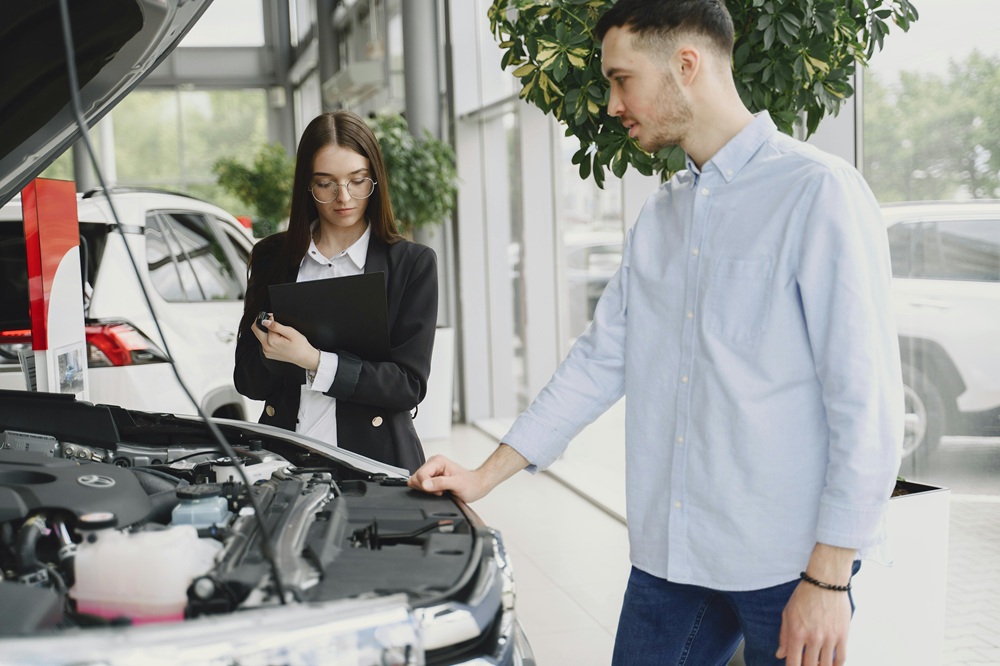
If you’re not confident assessing a car’s condition yourself, this is where a pre-purchase inspection becomes essential. Things to look out for include:
- Uneven tyre wear, which can point to alignment or suspension issues
- Rust around wheel arches, sills, and the boot floor
- Fluid leaks under the vehicle
- Panel gaps or mismatched paint, which can indicate previous accident repairs
- Warning lights on the dashboard when the ignition is turned on
A visual check only tells part of the story, though — many issues aren’t visible without lifting the car or checking it on a hoist.
6. Get a Pre-Purchase Inspection Before You Commit
This is arguably the most important step on this entire checklist, and it’s the one first-time buyers skip most often, usually because they’re worried about upsetting the seller or adding an extra cost. A pre-purchase inspection typically costs a fraction of what a major mechanical fault would cost to repair, and it gives you real leverage to negotiate the price down or walk away entirely if something serious turns up. Reputable sellers won’t be offended by the request — if anything, hesitation from a seller is a red flag in itself.
7. Take It for a Proper Test Drive
Don’t just drive around the block. Test the car on different road types if possible — a bit of highway driving, some stop-start traffic, and a few corners at moderate speed. Pay attention to how the brakes feel, whether the steering pulls to one side, any unusual noises, and how smoothly the gears shift if it’s a manual.
Try to test drive the car cold, meaning the engine hasn’t been running for a while before you arrive. Some issues, particularly with the transmission or exhaust, are more noticeable on a cold start and can be masked if the seller has conveniently warmed the car up before you get there.
8. Confirm the Roadworthy Certificate Is Current
In Victoria, a car being sold by a private seller must come with a current roadworthy certificate, unless you’re buying from a licensed dealer or trader. Check the date on the certificate and make sure it’s still valid — remember, RWCs are only valid for 30 days from issue for the purpose of a sale. If a private seller doesn’t have one, that’s a legal requirement they need to meet before the sale can go through.
9. Understand What Servicing You’ll Need Going Forward
Once you’ve settled on a car, it’s worth understanding what regular maintenance it will need and roughly what that will cost over the next year or two. Some models are simply cheaper to maintain than others, and knowing this upfront helps you budget properly rather than being surprised by your first service bill.
10. Build a Relationship With a Local Workshop Early
One of the smartest things a first-time buyer can do is find a reliable local workshop before they actually need one — not in a panic after something goes wrong. Having a trusted mechanic means you’ve got somewhere to go for that pre-purchase inspection, your first scheduled service, and any questions that come up along the way as a new owner.
Ready to Buy With Confidence?
Buying your first car doesn’t need to feel overwhelming if you take the time to work through the right checks beforehand. If you’ve found a car you’re serious about, get it properly inspected before you hand over any money, and once it’s yours, stay on top of regular car service in Cranbourne to keep it running safely and reliably for years to come. The team at Singh’s Tyre & Auto Centre offers thorough pre-purchase inspections, roadworthy certificates, and ongoing servicing for first-time buyers across Cranbourne and the surrounding suburbs. Call us today on 03 8752 4599 to book your inspection or first service and start your car ownership journey the right way.
Get your first car checked out right — book a pre-purchase inspection or service with Singh’s Tyre & Auto Centre today. Call us now on 03 8752 4599 to get started.