
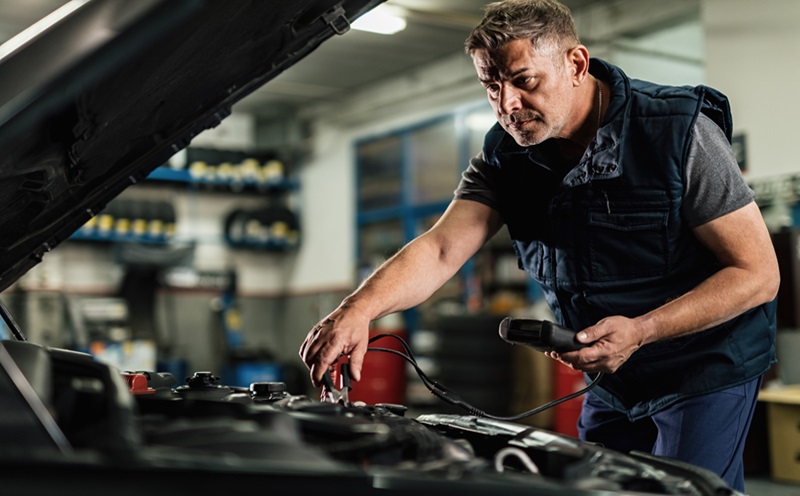
When your car refuses to start, most drivers immediately assume the battery is dead. While batteries do fail, they’re not always the real culprit. In many cases, the issue lies elsewhere within the vehicle’s electrical or mechanical systems. This is where an experienced auto electrician in Cranbourne becomes essential, as modern vehicles rely on multiple interconnected components to start and operate correctly.
Understanding what else could be causing starting issues can save you time, money and unnecessary part replacements.
Why the Battery Gets the Blame First
Batteries are easy to blame because they’re visible, familiar and commonly fail after a few years. Symptoms such as slow cranking, dim lights or clicking noises often point to battery trouble, but these same signs can also be caused by charging faults, wiring problems or starter motor issues.
Jump-starting the car may get it running temporarily, leading many drivers to replace the battery prematurely. Unfortunately, if the underlying issue isn’t addressed, the same problem often returns.
The Starter Motor: A Commonly Overlooked Issue
The starter motor is responsible for turning the engine over when you turn the key or press the start button. If the starter motor is worn or failing, the engine may not crank at all, or you may hear a single click when trying to start the car.
Starter motors can wear over time due to heat exposure, electrical load and normal use. Faulty wiring or poor electrical connections can also prevent the starter from receiving enough power to operate properly.
Because starter motor issues can mimic battery failure, proper testing is essential before replacing any parts.
Charging System Problems That Drain Batteries
If your car starts after a jump but struggles again later, the alternator may be the real issue. The alternator charges the battery while the engine is running and powers the vehicle’s electrical systems.
A failing alternator can slowly drain the battery while driving, leaving you stranded even with a relatively new battery. Warning signs include dashboard battery lights, flickering headlights or electronics behaving erratically.
Without proper diagnosis, many drivers replace the battery repeatedly, unaware that the charging system is the real cause.
Faulty Wiring and Electrical Connections
Modern vehicles contain extensive wiring networks that connect batteries, sensors, control modules and ignition systems. Loose, corroded or damaged wiring can interrupt power flow, preventing the vehicle from starting.
Moisture, heat and vibration can gradually degrade wiring over time, especially in older vehicles. These faults are not always visible and often require diagnostic testing to identify accurately.
Electrical connection issues can cause intermittent starting problems, making them particularly frustrating for drivers.
Ignition System Issues
If your car cranks but doesn’t start, the ignition system may be to blame. Components such as ignition coils, spark plugs or ignition switches play a crucial role in starting the engine.
A faulty ignition switch may fail to send the signal required to activate the starter or fuel system. Worn ignition components can also prevent proper combustion, even if the battery and starter are functioning correctly.
These issues often develop gradually, with starting becoming less reliable over time.
Security and Immobiliser System Faults
Many modern vehicles are equipped with immobiliser systems designed to prevent theft. If the system fails to recognise the key or detects a fault, it can prevent the engine from starting altogether.
Signs of immobiliser issues include flashing security lights, warning messages on the dashboard or the engine cranking without firing. These faults can be mistaken for battery or starter problems but require specialised diagnostics to resolve.
Fuel Delivery Problems
While less common, fuel-related issues can also cause starting failures. A failing fuel pump, blocked fuel filter or faulty fuel relay can prevent fuel from reaching the engine.
If the engine cranks normally but doesn’t start, fuel delivery should be checked alongside electrical systems. Ignoring this possibility can lead to unnecessary electrical repairs that don’t solve the problem.
Why Proper Diagnosis Matters
Replacing parts based on assumptions often leads to wasted money and ongoing frustration. Modern vehicles are complex, and starting systems involve multiple components working together.
Professional diagnostics allow technicians to test battery health, charging output, starter operation, wiring integrity and system communication. Identifying the true cause ensures repairs are effective and prevents repeat failures.
This approach also protects surrounding components from damage caused by unresolved electrical faults.
When to Seek Professional Help
You should have your vehicle checked if:
- The car won’t start consistently
- Jump-starting works only temporarily
- Warning lights appear on the dashboard
- Electrical features behave unpredictably
- Starting problems worsen over time
Delaying diagnosis often results in more expensive repairs and unexpected breakdowns.
Avoid Guesswork and Get Reliable Answers
Starting issues can stem from a range of causes beyond the battery. Understanding this helps drivers make informed decisions and avoid unnecessary replacements.
Accurate testing and professional assessment are the fastest way to restore reliability and confidence behind the wheel.
Book Expert Help Before You’re Left Stranded
If your car won’t start and the cause isn’t obvious, trusted car mechanics in Cranbourne can identify the issue quickly and correctly.
Call Singh’s Tyre & Auto Centre on 03 8752 4599 to book professional diagnostics and repairs today. Whether the issue lies with the battery, starter, alternator or electrical system, our team is here to get your vehicle starting reliably again and keep you moving with confidence.