
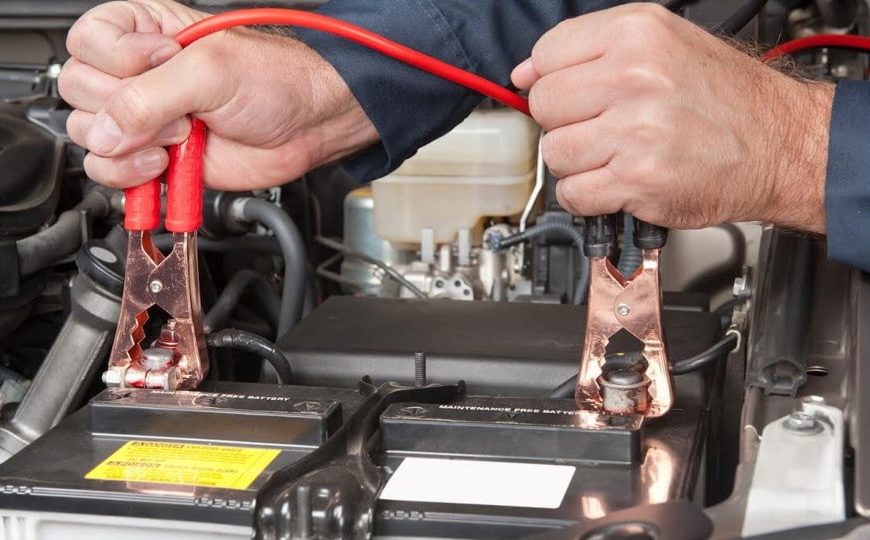
Your car battery is the powerhouse behind every ignition, headlight beam, and electronic function your vehicle depends on. Over time, even the most reliable battery begins to weaken, often without giving clear signs—until the moment your car won’t start. If you’re sensing something isn’t right, it might be time to consider a car battery replacement in Cranbourne before you’re left stranded in your driveway or on the side of the road.
Understanding how to spot the signs of battery decline can help you stay ahead of breakdowns and ensure your car remains dependable every day.
- Slower Engine Crank
If starting your car suddenly takes a few extra seconds, this is usually the earliest sign that your battery is struggling. A healthy battery provides a quick and strong jolt to the starter motor. But when it’s worn out, that crank slows down—especially noticeable in the mornings or after sitting idle.
- Clicking But No Start
A rapid clicking sound when you turn the key (or push the start button) is a telltale sign that your battery voltage is too low to power the engine. While this may also point to a starter motor issue, it most often stems from a depleted battery that’s due for a check or change.
Professional mechanics in Cranbourne can run a quick battery test to confirm if this is the root cause or if another electrical issue is involved.
- Dimming Lights and Unresponsive Electronics
Your battery does more than just start the engine—it powers everything from headlights to dashboard systems. If your headlights flicker or interior lights look dimmer than usual, it’s often a sign of voltage instability. Even accessories like power windows or infotainment systems behaving erratically may point to battery wear.
- Electrical Hiccups You Can’t Ignore
Modern vehicles are packed with tech—from sensors and cameras to navigation and climate control. When a battery can’t provide consistent voltage, it causes glitchy behaviour in these systems. Random warning lights, flickering dashboards, or temperamental A/C fans can all hint at a deeper battery problem.
- Corrosion around the Terminals
A visual inspection under the bonnet can reveal a lot. If you spot white, green, or bluish deposits around the battery terminals, that’s corrosion—often caused by leaking acid. This build-up restricts the flow of electricity and can reduce charging effectiveness, even if the battery itself isn’t yet fully worn.
Cleaning the terminals or having them serviced can make a noticeable difference and is usually part of a good car service in Cranbourne.
- A Strong Sulphuric Smell
A foul “rotten egg” smell is often a warning that your battery is leaking or overheating. This sulphuric odour usually points to an internal failure that allows gas to escape—often due to age, damage, or overcharging. A leaking battery should be replaced immediately to prevent further electrical damage or potential safety hazards.
- Bulging or Warped Battery Case
If your battery looks swollen or the sides of the case appear bloated, it’s a serious red flag. This usually occurs when a battery has been overcharged or exposed to high heat, causing the internal plates to warp. A bulging battery should be replaced without delay, as it’s no longer safe to use.
- Cold Mornings and Sluggish Starts
While Australia’s winters are milder than some countries, chilly mornings can still impact battery performance. A battery nearing the end of its life might not hold up well to temperature drops. If your car feels particularly slow to start on cooler days, your battery could be losing its capacity.
- Battery Age and Usage Habits
Batteries typically last between 3–5 years. If your battery is over three years old and hasn’t been tested recently, it may be time for a replacement. Cars that are driven infrequently or only for short trips don’t give the battery enough time to recharge fully, speeding up wear and tear.
Scheduling a routine check with trusted mechanics can ensure your battery’s age and conditions are professionally assessed.
- Past Jumpstarts or Electrical Failures
If you’ve had to jumpstart your car recently—or more than once—it’s a strong sign that your battery is no longer reliable. Sometimes, jumpstarts work temporarily but mask the underlying problem. It’s always best to replace a battery that has caused repeated issues, rather than risk another breakdown.
Why Replacing Your Battery Matters
Driving with a weak or failing battery isn’t just inconvenient—it can lead to wider electrical issues in your vehicle. Faulty batteries put extra stress on your alternator and can impact engine management systems, lighting, and essential safety features.
Delaying a battery replacement could mean paying more in repairs later, or worse—facing an emergency when your car refuses to start.
A Trusted Check-Up Can Make All the Difference
The easiest way to avoid battery-related surprises is through proactive maintenance. A good mechanic will include a battery health check during routine services and help identify issues early. Keeping your battery in check supports the overall electrical health of your vehicle and reduces your chances of sudden breakdowns.
Whether you’re noticing signs of trouble or your battery is simply getting old, it’s wise to schedule an inspection during your regular car service.
🔧 Stay Ready with a Fully Charged Battery
Avoid the hassle of jumpstarts, delays, and electrical faults. Book a professional inspection or replacement today.
Speak with the experts at Singh’s Tyre & Auto Centre Cranbourne on (03) 8752 4599 and keep your car powered, safe, and ready to go—wherever the road takes you. Want to know more about us? Browse our Google Business Profile: https://g.page/r/CYFCe7LZQij8EBM/ for recent reviews and updates.